US Strikes Iranian Missile Sites, Boats During Active Ceasefire Negotiations
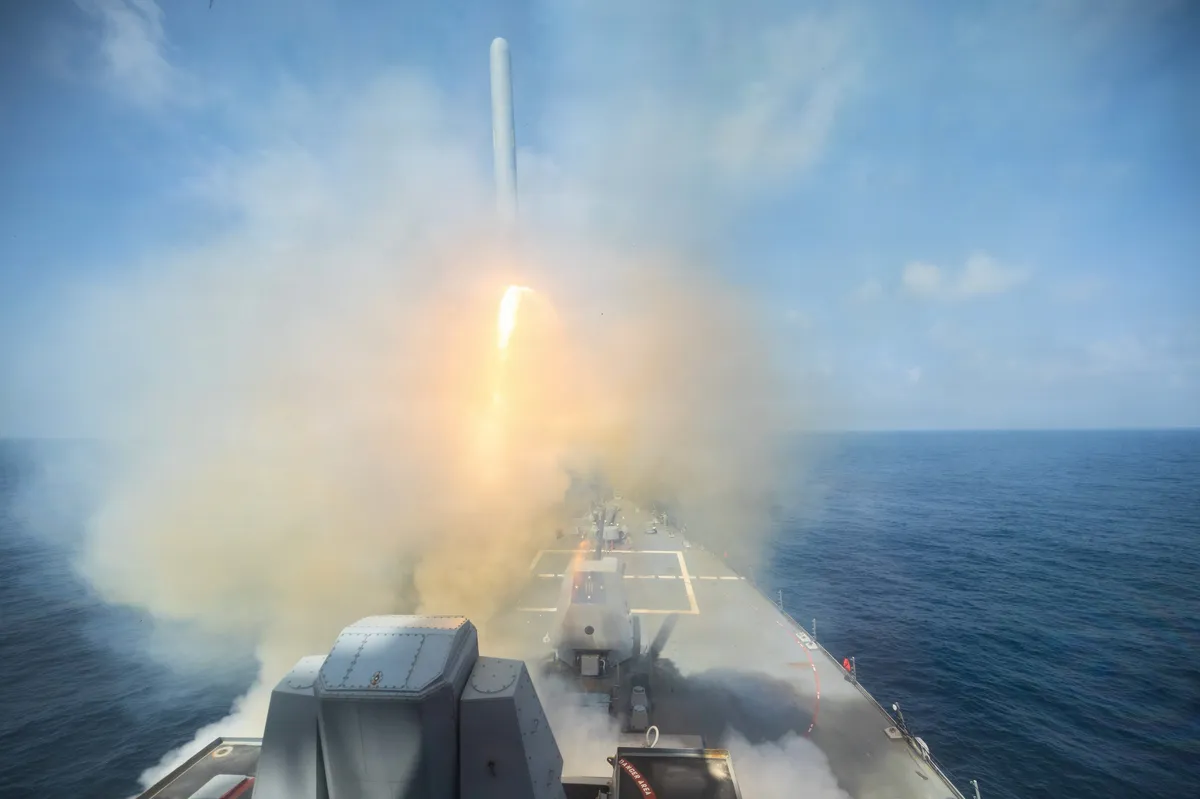
If Iran retaliates, the Strait of Hormuz reverts to contested status. That kills the supertanker transit that left the Persian Gulf on May 26 — the market prices in Hormuz closure risk within hours, and oil jumps 8-12%. Rubio's Iran strategy, which hinged on reopening the strait to ease global energy prices and reduce Trump's political exposure on gas costs, is now in freefall.
This also exposes a contradiction in Trump's broader strategy: the Typhon missiles locked in Japan (May 25 signal) and the Quad signaling (South Korea's trans-Pacific sub deployment, May 25) assume US credibility in Asia — but if the US strikes Iran while negotiating, that credibility erodes in Beijing and Moscow's reading of US commitment to any deal.
Secretary of State Rubio's negotiating position just collapsed.
A ceasefire framework cannot survive active US military strikes against Iranian targets — the Iranian negotiating team loses credibility with Tehran's security establishment if they accept a deal while American forces are hitting their assets. This forces Iran's hand: either escalate in response (triggering the cycle that killed the previous Iran deal), or walk from talks and claim the US negotiated in bad faith.
Either path ends the 60-day Hormuz reopening that Rubio announced as 'solid' for Monday. Watch for Iranian retaliation within 48-72 hours and a formal statement withdrawing from ceasefire talks by Tuesday.
What triggered the US strike order — did Iranian boats actually attempt mine-laying, or did intelligence assess intent? The gap between self-defense and preemption determines whether this was reactive or a deliberate negotiating sabotage.
Fault Lines
Strategic intelligence, synthesized daily — with a public track record. Every call graded against what actually happened.