Pakistan Navy Tests Indigenous SMASH ASBM; First Operational Demonstration of Regional Anti-Ship Strike
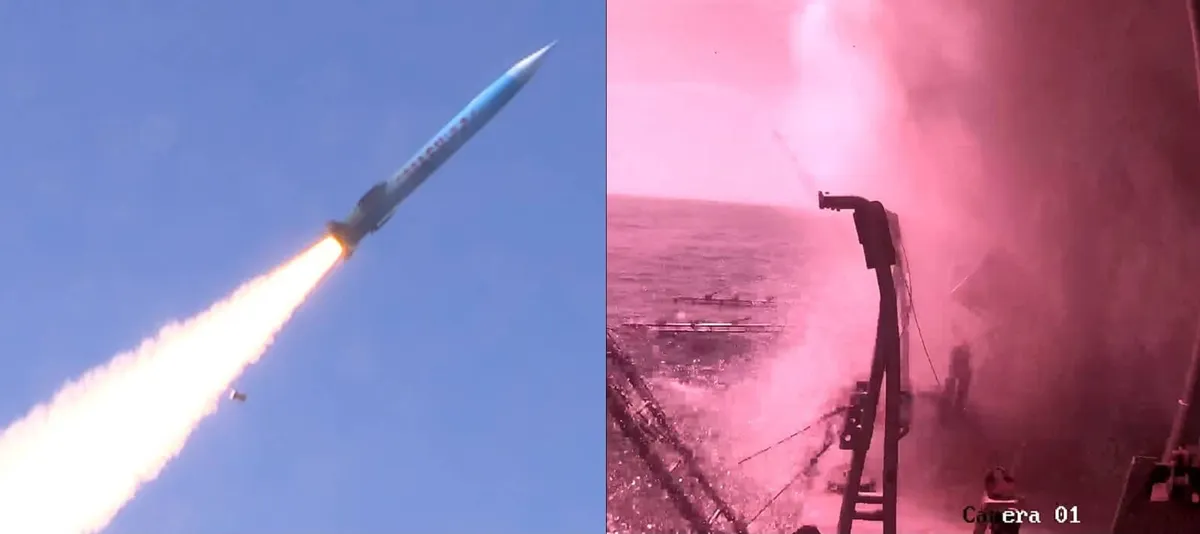
Pakistan's SMASH operationalization narrows the operational envelope for U.S. logistics and strike missions in the Arabian Sea, directly intersecting with the current Iran campaign's reliance on sustained naval presence to enforce the Hormuz blockade and conduct mine clearance. If Pakistan coordinates targeting data or provides sanctuary to Iranian assets (a risk given recent China-Iran ISR integration), the U.S.
Navy's ability to maintain continuous presence without carrier rotation acceleration becomes a readiness constraint — forcing either earlier sortie cycling (feeding the existing Patriot/interceptor depletion crisis) or reduced operational tempo in the Gulf.
Pakistan's SMASH test introduces a new anti-access/area-denial (A2/AD) layer into the Indian Ocean, directly complicating U.S. and allied naval operations in the Arabian Sea and Persian Gulf during an active Iran campaign.
The system's range and precision strike profile forces U.S. carrier strike groups and logistics vessels to operate at greater standoff distances, reducing sortie rates and extending supply line vulnerability windows — a material constraint during the current Hormuz blockade enforcement and mine clearance operations.
The timing, during peak U.S. naval concentration in the Gulf, suggests deliberate signaling to regional actors that Pakistan's deterrent posture is operationalized, not aspirational. This does not directly alter the Iran conflict trajectory, but it raises the cost of sustained U.S. maritime presence in waters Pakistan views as its strategic sphere.
The article does not specify the SMASH system's reported range, guidance method (terminal seeker type), or whether Pakistan intends to integrate it into active fleet operations or retain it as a test/deterrent capability.
Fault Lines
Strategic intelligence, synthesized daily — with a public track record. Every call graded against what actually happened.