DCSA Uses AI to Compress Background Check Processing from Months to Hours
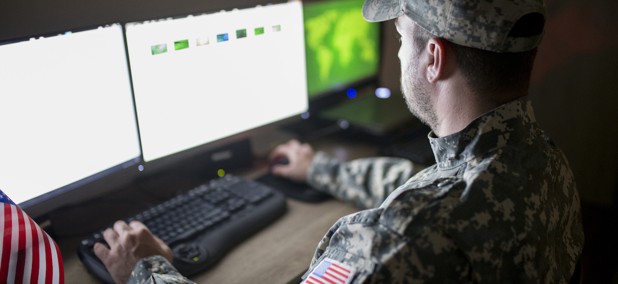
The clearance bottleneck has been a known drag on defense industrial hiring for three years — contractors cite 6-12 month delays for TS/SCI adjudications as a reason for attrition and delayed program starts. If DCSA's AI actually works, it shifts the binding constraint from document processing to investigator workload.
That means the agency must either hire 30-50% more investigators or face the same end-to-end timeline despite faster triage. No mention of hiring plans suggests DCSA is betting on AI to paper over a workforce problem, not solve it. If that bet fails — if the AI flags too many false positives or investigators can't keep pace — contractors will still face the same delays, and the tool becomes a press release.
This exposes a critical bottleneck in the clearance pipeline that directly constrains defense contractor hiring and INDOPACOM workforce rotations.
If DCSA can actually compress initial triage from 4-6 weeks to hours, they unblock the downstream human review process — but only if the AI reduces false positives enough that investigators aren't flooded with junk flagging. The real constraint isn't the AI decision; it's whether DCSA has hired enough investigators to handle the velocity increase.
Watch the next IG report on DCSA staffing and backlog metrics (due Q4 2026) to see if processing time gains actually translate to reduced overall adjudication cycles or just shift the bottleneck downstream.
What percentage of the current clearance backlog is attributable to initial document triage vs. investigator capacity? If triage is the constraint, this matters; if investigators are the constraint, AI saves nothing.
Fault Lines
Strategic intelligence, synthesized daily — with a public track record. Every call graded against what actually happened.