Hegseth Pressures Anthropic to Grant DoD Unfettered Access to AI Models
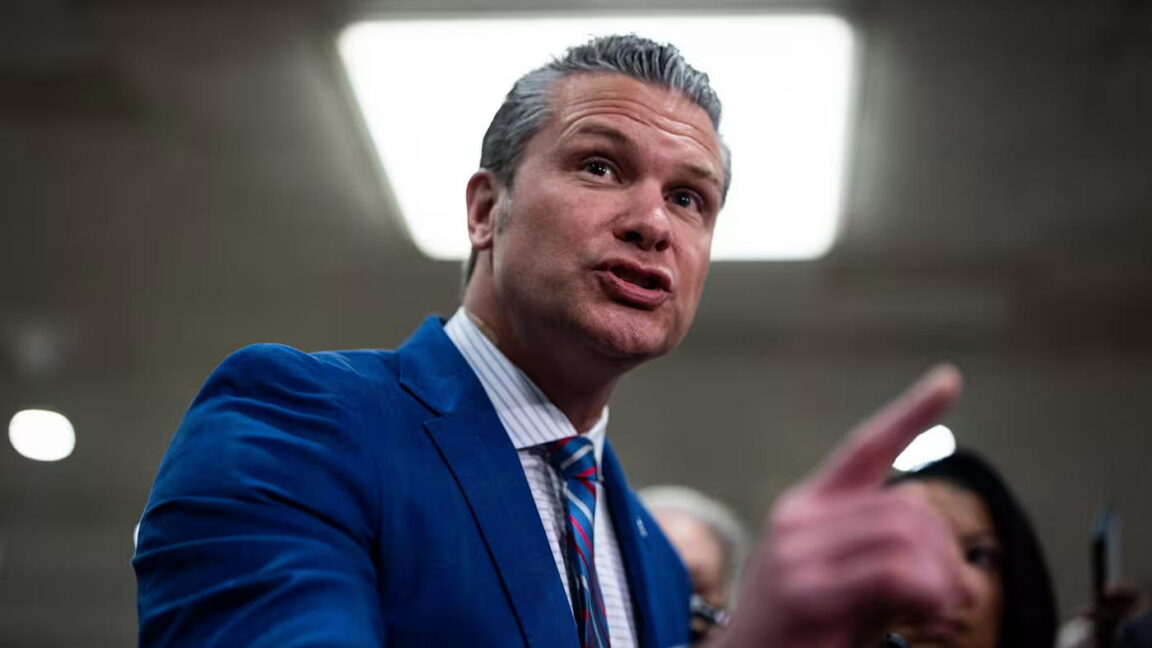
If Anthropic yields, DoD gains uncontrolled access to a frontier AI model just as the Pentagon is building out autonomous weapons and ISR systems — compressing the timeline between model capability maturation and military deployment.
If Anthropic resists and faces retaliation (contract bans, export restrictions), it raises the cost of maintaining independent governance for all AI vendors, incentivizing smaller players to preemptively align with military requirements rather than negotiate. Either path narrows the space for vendor-led safety constraints in defense AI, shifting governance from corporate policy to government mandate.
This signals direct executive pressure on a leading AI vendor to abandon its own use-case restrictions for military applications.
If Anthropic capitulates, it removes a precedent that AI companies can maintain independent safety or ethical guardrails against government demands — a precedent other vendors (OpenAI, Google DeepMind) currently rely on. If Anthropic resists, it establishes whether a defense secretary can force compliance through political leverage without statutory authority.
Either outcome affects how AI vendors price risk into military contracts and whether they can credibly offer differentiated governance to allied governments. The absence of detail on what specific restrictions triggered this pressure, or what consequences Hegseth threatened, leaves the actual stakes unclear.
What restrictions did Anthropic propose, and on what military use cases? What specific consequence did Hegseth imply — contract exclusion, export controls, regulatory action, or something else? Has Anthropic responded, and if so, did it yield?
Fault Lines
Strategic intelligence, synthesized daily — with a public track record. Every call graded against what actually happened.