Russian Maritime Activity in UK Waters Up 41% in 2025; Royal Navy to Procure Eight Type 26 Anti-Submarine Frigates
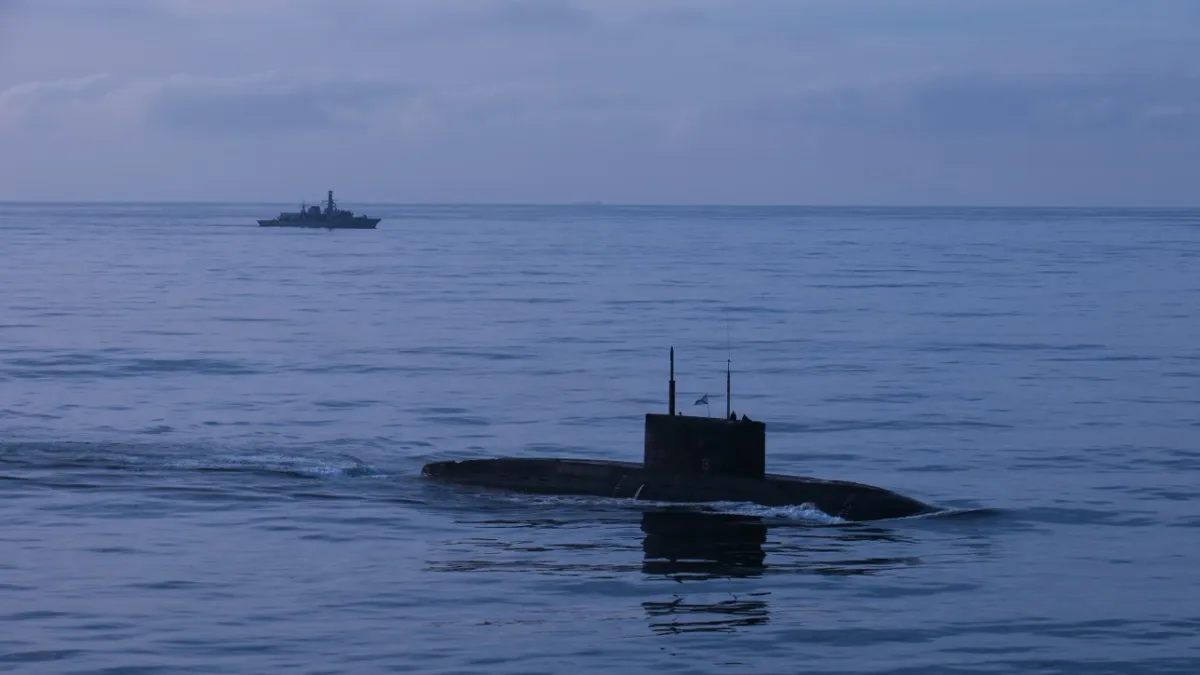
If Russian Northern Fleet activity continues at this tempo, the Royal Navy's 50-plus annual ship visits to the High North will require sustained logistics and maintenance support that the current force structure was not sized for.
The Norwegian standardised vessel buy is a partial answer, but the option for three additional hulls suggests the MoD has not yet settled on the final fleet size — and that decision will depend on whether the 41 per cent activity increase reflects a durable trend or a 2026 surge tied to the broader Iran-driven operational tempo stretching NATO navies across multiple theatres simultaneously.
The Royal Navy's mine-hunting mothership buy adds a concrete procurement line to what has been a largely posture-and-presence story in the High North.
The UK already has eight Type 26 frigates on order for anti-submarine warfare; adding Norwegian mine-hunting hulls signals that the Royal Navy sees the undersea threat as broad enough to require dedicated mine-countermeasures capacity in the same theatre, not just ASW.
The GUGI cable-mapping exposure Streeting cited is the operational evidence behind that procurement logic — if Russia is mapping undersea infrastructure in the North Atlantic, mine-hunting motherships are the defensive complement to the frigates.
What is the contract value and delivery timeline for the three Norwegian mine-hunting motherships, and which Norwegian yard will build them?
Fault Lines
Strategic intelligence, synthesized daily — with a public track record. Every call graded against what actually happened.