Ukraine Strikes Crimea Supply Lines, Claims Chip Shortage Blocks Russian Air Defense
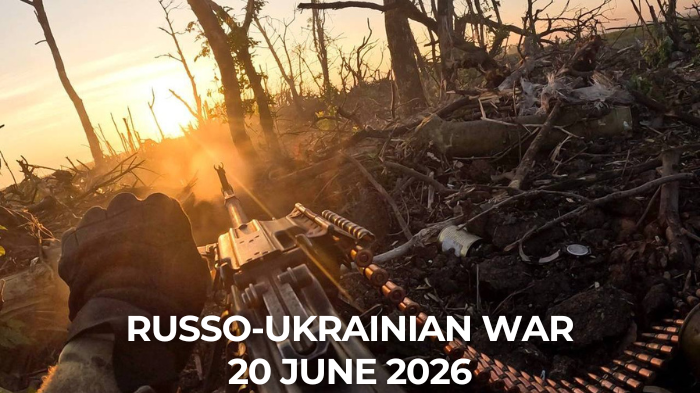
The Henichesk bridge strike is tactically incremental — Ukraine has targeted it repeatedly. The chip claim, if true, suggests EU/US export controls on semiconductor manufacturing equipment (via the Netherlands and Japan) and chip design tools (via Arm/Cadence) are now binding constraints on Russian military production.
If Russia cannot source or design replacement air defense components, each strike on a radar or launcher becomes irreplaceable rather than merely expensive. This inverts the attrition calculus: Ukraine doesn't need to destroy every system, just enough to force Russia to exhaust its stockpile faster than it can rebuild.
If Russian air defense degradation is driven by semiconductor unavailability rather than just attrition, the constraint is structural and timeline-independent — sanctions and export controls have already won the war of attrition without direct combat.
The claim requires verification: a frontline commander's assessment of enemy logistics is often accurate but not always, and the article does not cite specific chip shortages or intercepts confirming the bottleneck. Watch whether Russian air defense sorties decline measurably over the next 60 days, or whether they sustain current tempo — that tells you whether the chip claim reflects reality or desperation.
What specific chip types or suppliers is Russia unable to access? The article cites a commander's claim but provides no evidence of which semiconductors are actually unavailable, which Russian systems depend on them, or whether alternative sourcing (Chinese, Iranian, or domestic) is filling the gap.
Fault Lines
Strategic intelligence, synthesized daily — with a public track record. Every call graded against what actually happened.