Supreme Court Voids Peacetime Tariff Authority, Blocking Trump's IEEPA Trade Powers
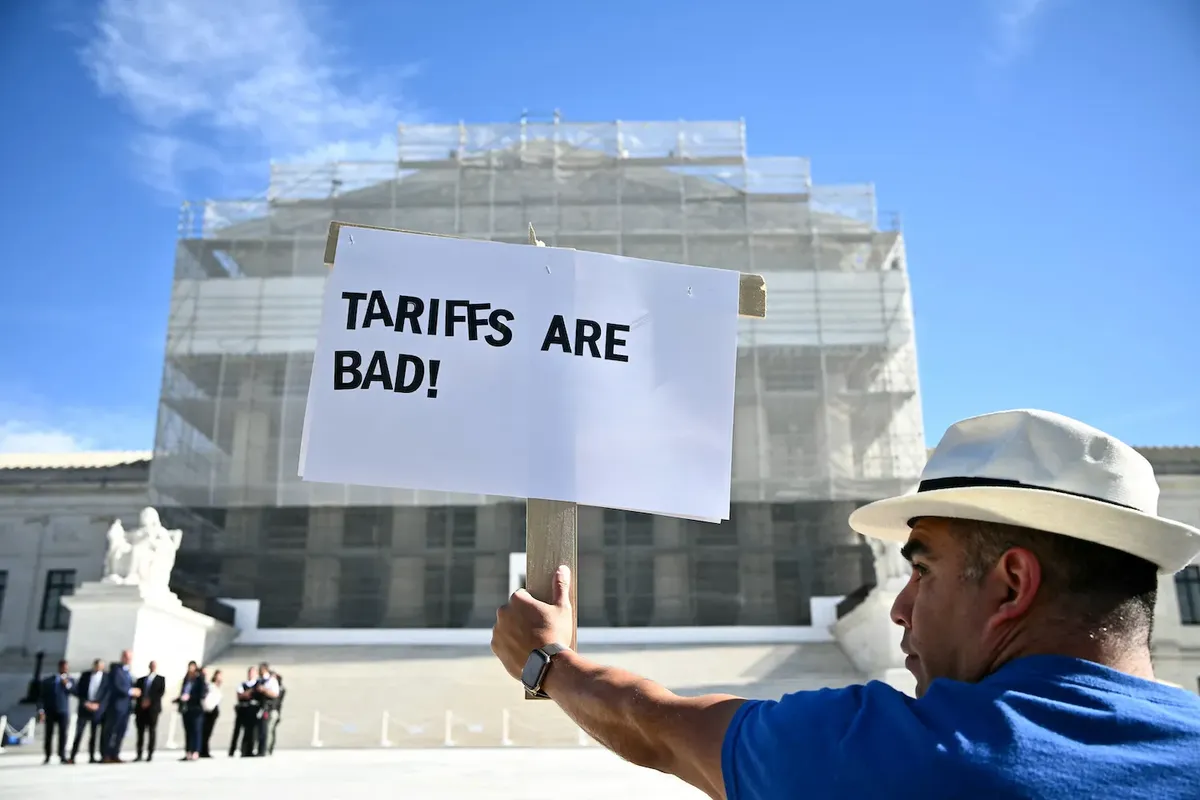
The ruling eliminates one tariff mechanism but leaves Section 232 national security tariffs intact — meaning defense supply chain costs (steel, rare earths, semiconductor inputs) remain exposed to executive action if framed as national security rather than trade policy.
Contractors bidding on fixed-price defense contracts must now assume IEEPA tariffs are off the table but Section 232 tariffs are not, altering cost-risk models for sourcing decisions and bid strategies.
This constrains executive tariff authority but does not eliminate it.
Trump retains potential tariff tools under Section 232 (national security), Section 301 (trade retaliation), and explicit Congressional authorization — all untouched by this ruling. Defense primes and suppliers face reduced near-term tariff risk on imports, but the decision does not settle whether Section 232 tariffs on steel, aluminum, or semiconductors survive legal challenge.
The ruling's scope (peacetime only) leaves open presidential tariff authority during declared emergencies or war. Investors should distinguish between the IEEPA channel closing and other channels remaining open; the market impact depends on which tariff regimes were actually in effect and now face rollback.
The article does not specify which tariffs currently in effect relied on IEEPA authority versus other statutes, so the practical scope of rollback is unclear. It also does not address retroactive liability, refund procedures, or timeline for implementation.
Fault Lines
Strategic intelligence, synthesized daily — with a public track record. Every call graded against what actually happened.