Ukraine Intercepts 146 of 176 Russian Drones; 83% Intercept Rate Sustained
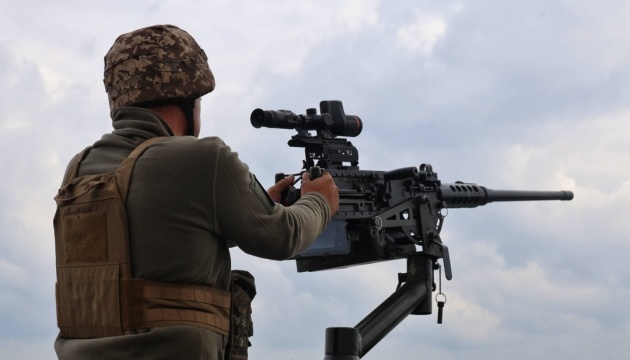
Ukraine's demonstrated 83% intercept rate against a 176-drone salvo directly informs NATO air defense procurement timelines and ammunition replenishment cycles — if this rate holds across repeated waves, allied stockpiles of Patriot and IRIS-T rounds will deplete faster than current production forecasts assume, forcing either accelerated manufacturing or rationing of defensive sorties.
Conversely, if the 30 penetrating drones caused significant damage to power, water, or military infrastructure, the intercept rate becomes a tactical metric masking strategic degradation, shifting the narrative from 'defenses are working' to 'defenses are insufficient' — a distinction that reshapes both aid prioritization and Ukrainian force design planning.
This intercept rate reflects sustained Ukrainian air defense capability despite concurrent Russian operations and represents a data point on defensive effectiveness under sustained drone campaigns.
However, the source does not break down which air defense systems achieved these kills, whether attrition of Ukrainian interceptors is accelerating, or whether the remaining 30 drones caused damage to critical infrastructure.
For procurement planners, this suggests continued demand for air defense ammunition and replacement interceptors; for policy analysts, the question is whether this 83% rate is sustainable or represents a temporary peak before degradation. The absence of damage assessment prevents judgment on whether the intercepts are operationally decisive or merely reducing incoming volume.
The article does not specify which Ukrainian air defense platforms executed the intercepts (Patriot, IRIS-T, Gepard, Buk, Tor, or others), whether interceptor stocks are being depleted faster than resupply, or what damage resulted from the 30 drones that penetrated defenses.
Fault Lines
Strategic intelligence, synthesized daily — with a public track record. Every call graded against what actually happened.