Army Drone Competition Exposes Training Gaps in Combined-Arms Integration
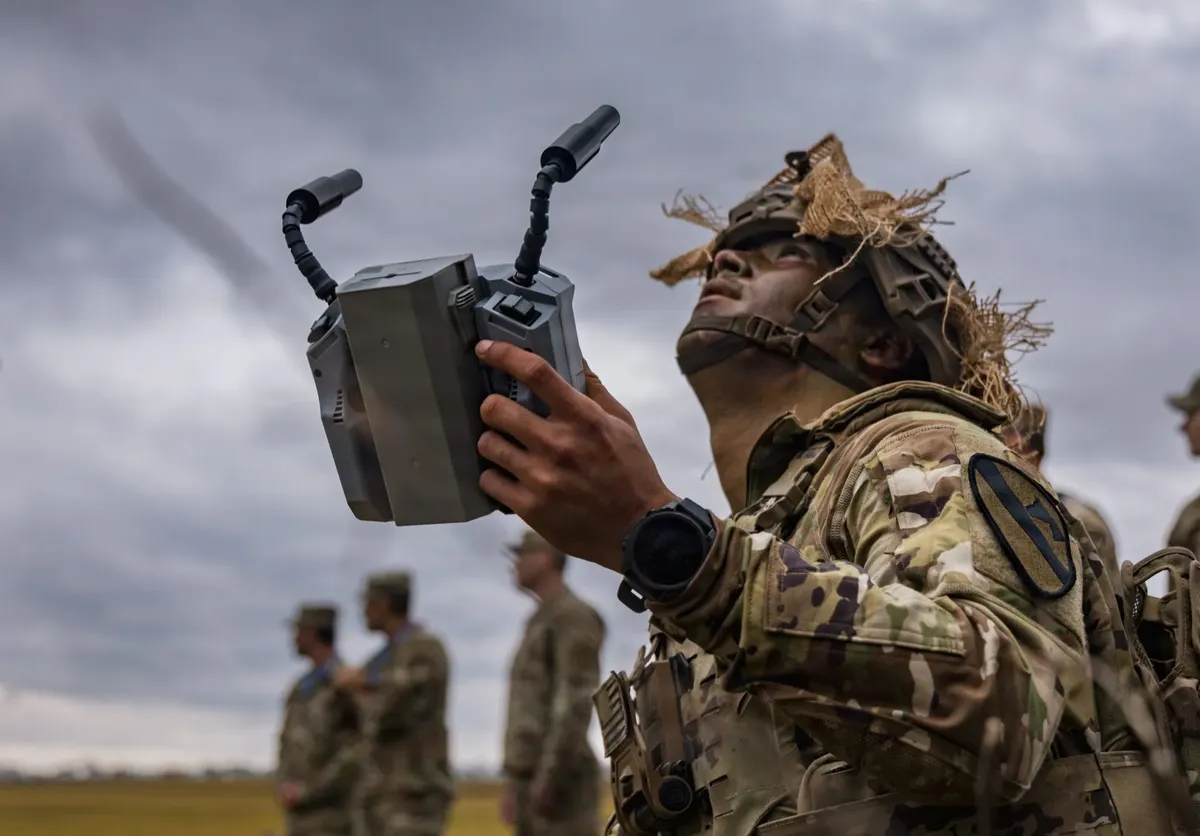
Training shortfalls delay the operational timeline for drone-enabled combined-arms doctrine, which in turn defers the force-structure changes and platform procurement quantities that depend on proven integration. If the Army must extend training pipelines before scaling drone units Army-wide, it compresses the window for manufacturers to ramp production and forces a re-sequencing of FY27–28 procurement milestones.
This competition signals the Army recognizes doctrine and personnel readiness for drone employment lag behind procurement timelines.
If training gaps are structural—not isolated to individual operators—the Army faces a capability-readiness mismatch: platforms may arrive faster than the force can effectively employ them. The outcome determines whether drone integration becomes a near-term force multiplier or a multi-year training correction.
Without visibility into the gaps identified and remediation plans, program managers cannot yet assess impact on unit readiness timelines or training budget reallocation.
The article does not specify which training deficiencies were identified, how many operators competed, which units performed best or worst, or what remedial training the Army plans to implement.
Fault Lines
Strategic intelligence, synthesized daily — with a public track record. Every call graded against what actually happened.