Ukraine Downs 147 of 172 Russian Drones; Patriot Rationing Persists Amid Depletion
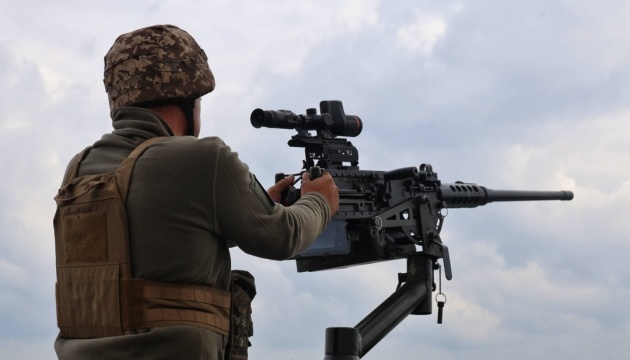
Ukraine's high interception rate depends on ammunition stocks that are now the binding constraint on air defense effectiveness.
The U.S. decision to delay European weapons deliveries (April 16 signal) to sustain the Iran campaign creates a direct supply-chain conflict: every Patriot missile sent to Ukraine is one fewer available for allied air defense stocks, and every delayed European delivery reduces the pool of allied systems that could be redirected to Ukraine.
The 85% interception rate masks a structural problem: Ukraine is achieving high kill ratios on individual nights while operating under critical ammunition constraints.
The fact that 25 drones penetrated defenses despite a successful overall engagement, combined with confirmed Patriot depletion, signals that Ukraine's air defense is now a consumption problem, not a capability problem. Each successful night of defense burns through finite stocks faster than U.S. and allied resupply can replenish them.
U.S. weapons delays to European allies (announced April 16) will compound this — if Baltic and Scandinavian Patriot deliveries are postponed, Ukraine's own supply chains tighten further. The strategic implication: Ukraine can win tactical air defense engagements but may lose the attrition war if supply doesn't match the operational tempo Russia is imposing.
The article does not specify which air defense systems achieved the 147 kills (Patriot, Gepard, Buk, IRIS-T, etc.) or estimate how many Patriot missiles were expended in this single engagement.
Fault Lines
Strategic intelligence, synthesized daily — with a public track record. Every call graded against what actually happened.