Poland Decriminalizes Military Service in Ukraine, Removes Legal Barrier to Foreign Fighter Recruitment
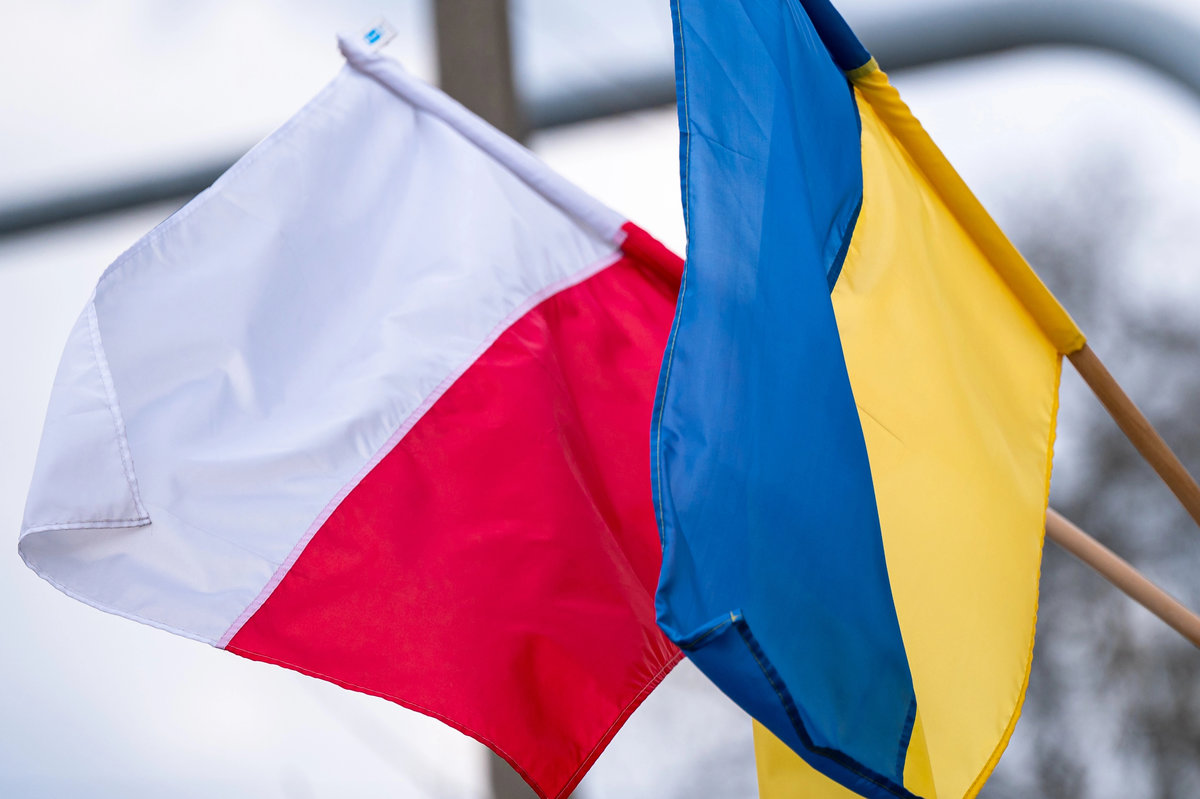
This removes a legal impediment to Polish personnel reinforcement of Ukrainian forces at a time when Ukraine faces sustained manpower attrition in the eastern theater. If Poland's decriminalization is followed by formal recruitment agreements with Kyiv (as occurred with other NATO allies), it could accelerate the formalization of foreign fighter pipelines that have operated informally since 2022.
This would shift Poland's contribution from material aid (already substantial) into direct force augmentation, complicating NATO's own readiness calculus if significant numbers of Polish military-age males migrate into Ukrainian service.
This removes a domestic legal constraint on Polish manpower contribution to Ukraine at a moment when NATO allies are actively reinforcing Ukrainian force structure.
Poland is already the largest contributor of military aid to Ukraine by volume; decriminalizing service signals policy alignment between Warsaw and Kyiv on personnel flows. However, the actual scale of Polish volunteers affected remains unclear — the article does not specify how many Poles have been prosecuted under the old law, or how many are currently serving in Ukraine.
Without those numbers, we cannot assess whether this is a symbolic gesture or a material force multiplier. Watch for Ukrainian recruitment campaigns targeting Polish citizens and Polish military personnel departures.
The article does not state how many Polish citizens have been prosecuted under the old law, how many are currently serving in Ukrainian units, or whether Ukraine has requested this change as part of a broader recruitment effort.
Fault Lines
Strategic intelligence, synthesized daily — with a public track record. Every call graded against what actually happened.