White House Restricts Israeli South Pars Strikes; Qatar Energy Becomes Implicit Redline
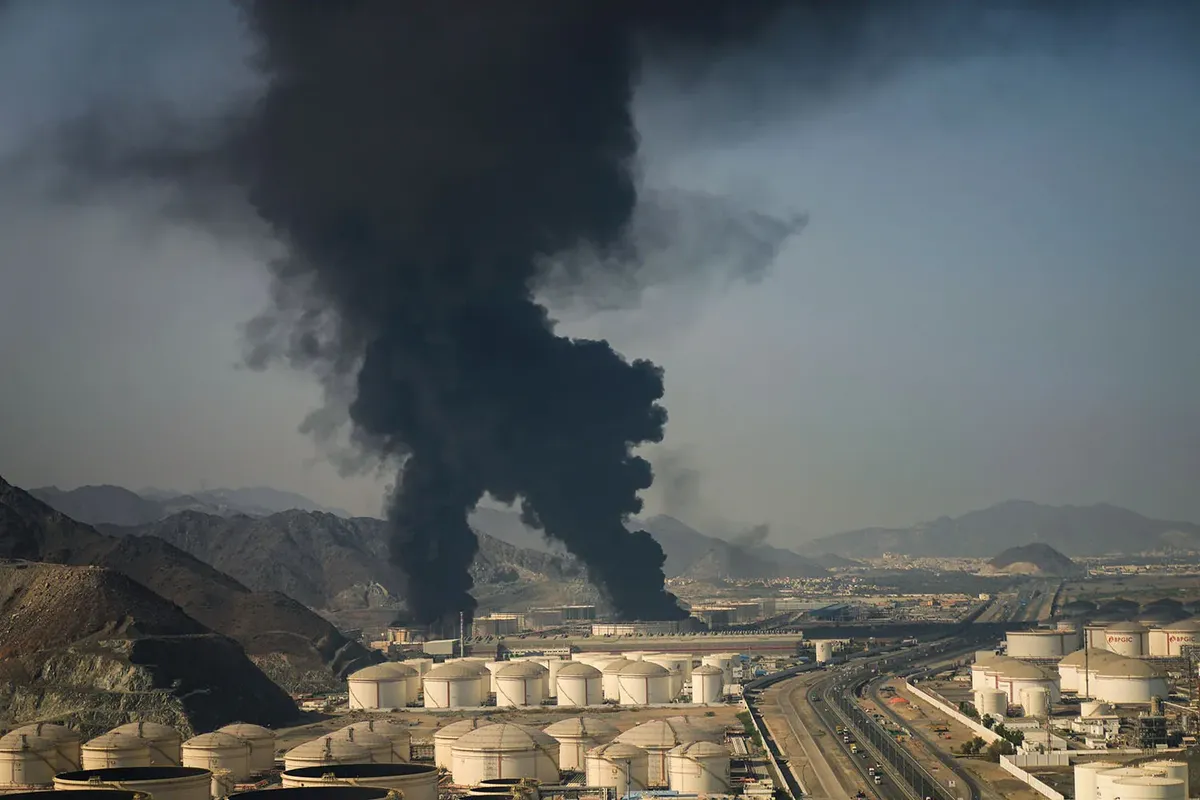
The White House constraint on South Pars targeting creates a negotiating asymmetry that may reduce Iran's incentive to cease strikes on Qatar or other Gulf energy nodes.
If Iran perceives that further strikes on Qatar will not trigger Israeli retaliation on Iranian energy infrastructure, the cost-benefit calculus for selective Hormuz blockade and energy facility targeting shifts in Iran's favor—potentially extending the energy war and sustaining the 99% reduction in Hormuz transit already reported.
This constraint also signals to regional allies (Saudi Arabia, UAE, Kuwait) that US protection of their infrastructure is conditional rather than automatic, which may drive independent air defense procurement or accelerate their own negotiations with Iran.
The White House constraint signals a pivot from unrestricted targeting (Hegseth's March 19 statement of no end date or constraints) to negotiated red lines with regional allies.
Qatar hosts Al Udeid Air Base, the US Central Command hub for Middle East operations, and Ras Laffan LNG—already struck by Iran on March 19. Protecting Qatar's infrastructure from further Israeli retaliation suggests the US prioritizes maintaining the logistics hub over maximizing pressure on Iranian energy exports.
This creates asymmetry: Iran can strike Qatar (and has), but Israel cannot retaliate against South Pars. The constraint is conditional—contingent on Iranian forbearance—making escalation dynamics dependent on Tehran's targeting choices rather than US-Israeli operational doctrine. If Iran interprets this as a signal of US-Israeli limits, it may embolden further strikes on Qatar or other Gulf facilities.
The article does not specify whether this constraint was communicated directly to Iran, through intermediaries, or remains a private US-Israel understanding.
Fault Lines
Strategic intelligence, synthesized daily — with a public track record. Every call graded against what actually happened.