Dozen Allied Agencies Flag Chinese Router Botnet; Supply Chain Vulnerability Widens
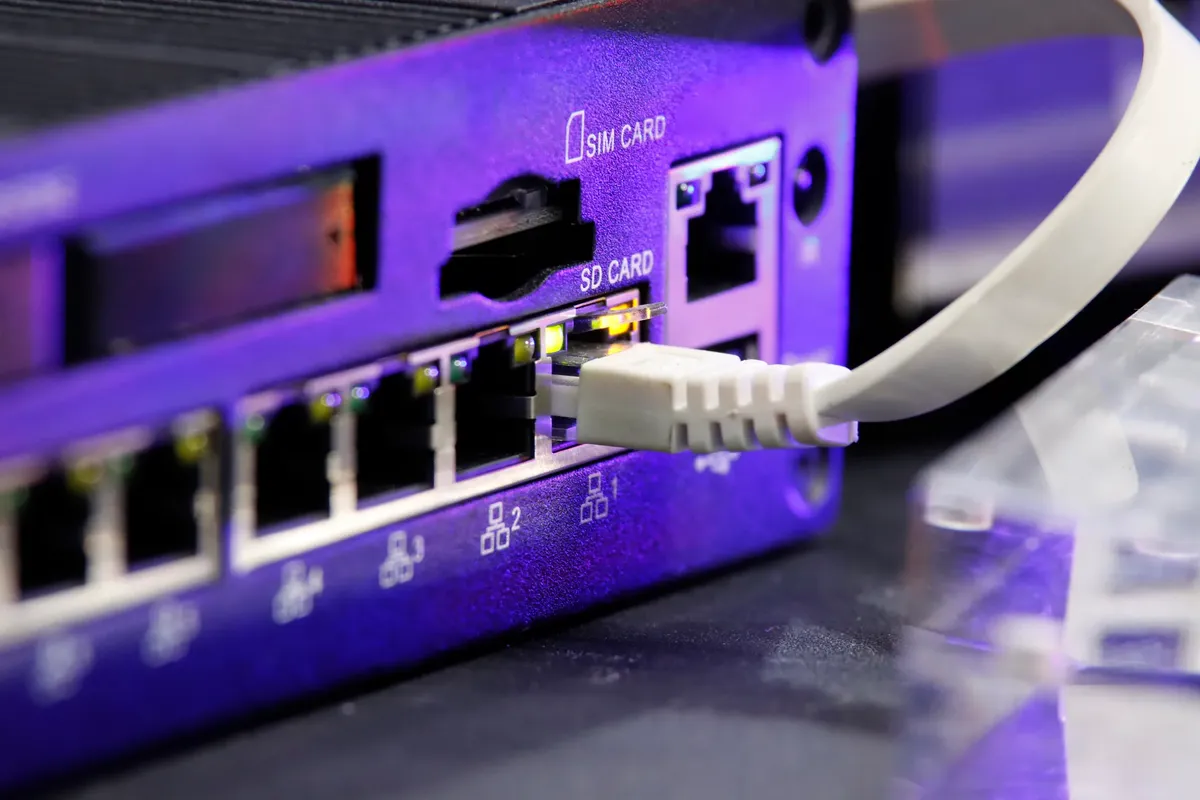
Router compromise creates persistent access to network traffic without triggering endpoint detection tools, meaning Chinese operators can exfiltrate classified data or implant secondary payloads (wiper malware, supply chain attacks on defense contractors) months before discovery.
This directly undermines the security assumptions behind the $1.5T FY27 defense budget request — if the network perimeter itself is compromised at the hardware level, expensive endpoint protection and zero-trust architecture become secondary layers.
Defense primes and their supply chains are now operating under the assumption that router-level persistence already exists in their networks, forcing accelerated network segmentation and out-of-band command channels for critical systems.
This is a supply chain attack vector that bypasses traditional perimeter defense.
Commercial routers are in every corporate network, government facility, and critical infrastructure site — and they're rarely patched or monitored with the rigor applied to servers. If the advisory names specific manufacturers or models, those vendors face immediate customer pressure and potential procurement restrictions.
More broadly, this confirms the Dutch intelligence assessment from April 22 that Chinese cyber operations now match US sophistication in evasion techniques. The fact that twelve allied agencies coordinated a public warning suggests the threat is widespread enough to warrant disclosure despite operational security costs — meaning the compromise is likely already seeded across allied networks.
Which router manufacturers and models are affected? The advisory's utility depends entirely on specificity — a generic 'patch your routers' warning is noise if network defenders can't identify the vulnerable hardware in their own environments.
Fault Lines
Strategic intelligence, synthesized daily — with a public track record. Every call graded against what actually happened.