Australia Shifts from Just-in-Time to Contested Logistics; Northern Supply Chains Face Wartime Disruption Risk
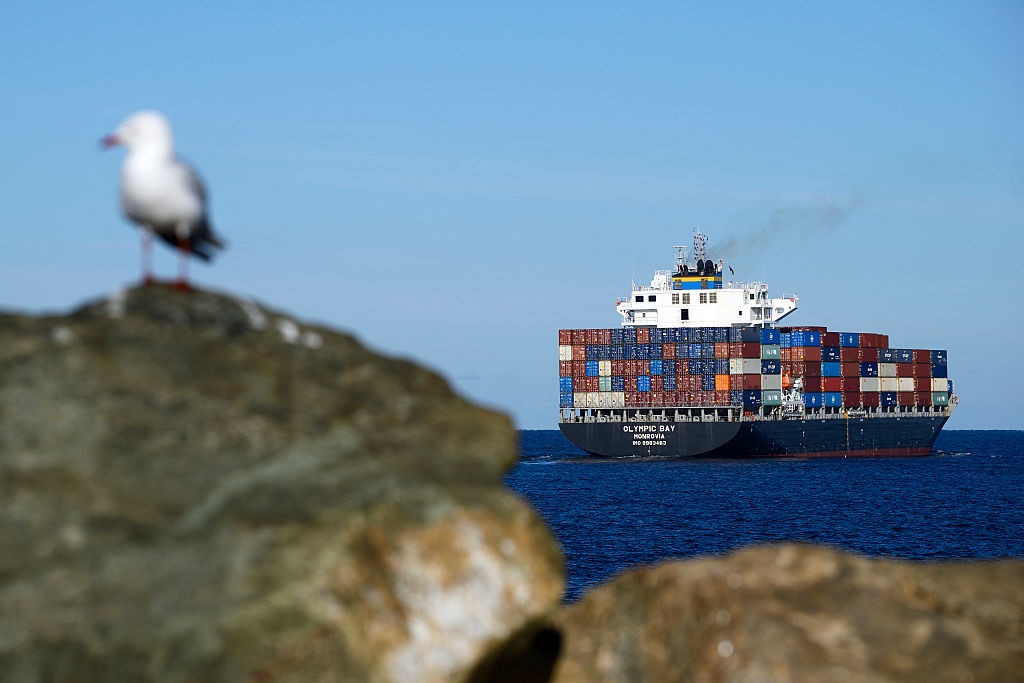
If Australia proceeds with force-structure procurement instead of logistics-first investment, it buys capability it cannot sustain. The US learned this in the Pacific during WWII and again in the Indian Ocean during the 1970s energy crisis—mass without logistics is mass that surrenders.
Rheinmetall's €5.7B Romania contract (awarded last week) signals that European primes see Eastern Europe as the high-margin, high-volume market; Australia will compete for production slots in a queue behind NATO allies.
That means Australian munitions orders will face 18-24 month lead times by 2028, forcing Canberra to choose between domestic production (high capex, 3-4 year ramp) or strategic stockpiling now (capital locked for a decade). The window for the latter closes in 2027.
Australia's defense industrial base and force sustainment assume peacetime logistics.
If the Strait of Malacca or northern approaches face interdiction during a Taiwan or South China Sea contingency, Australia's northern bases cannot sustain operations beyond 30-45 days without pre-positioned stocks and redundant supply routes—neither of which currently exist at scale.
This forces the Australian Department of Defence and Defence Industry Organization to choose between: (1) massive pre-positioning investments in remote northern locations (Tindal, Darwin, Exmouth) with long lead times and real-estate constraints; (2) acceleration of domestic munitions and fuel production capacity, which requires capital and industrial labor neither the government nor primes have committed; or (3) acceptance of operational tempo limits during the critical first 60 days of a contingency—exactly when air superiority and anti-ship operations determine the outcome.
The trigger is the FY27-28 Defence Strategic Review update, due mid-2027, where Australia must choose between logistics-first procurement (supply ships, fuel barges, ammunition depots) and force-structure-first procurement (additional F-35s, Looneys). Watch whether Defence commits AUD$5B+ to northern logistics hardening in the next supplemental budget.
Does ASPI's analysis account for the actual pre-positioning capacity at Darwin and Tindal today—how many days of sustained operations can current stocks support? What is the cost and timeline to expand that to 90 days?
Fault Lines
Strategic intelligence, synthesized daily — with a public track record. Every call graded against what actually happened.