Ukraine Air Defense Intercepts 102 of 117 Russian Drones in Single Night; 87% Kill Rate Sustained
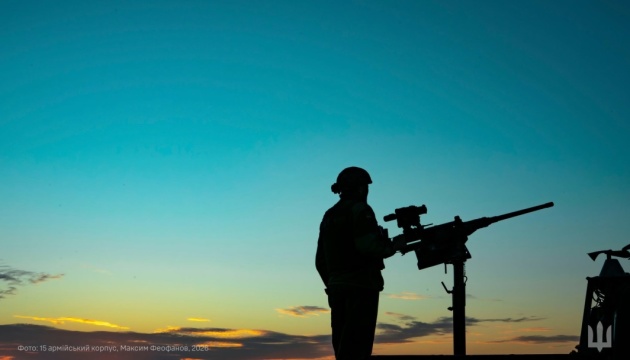
The 87% intercept rate, if sustained, creates a two-front problem for Russian air operations. First, it forces Russia to choose between attrition (accept 13% penetration and accept pilot losses from manned aircraft) or economics (shift to cheaper drones with lower accuracy, requiring more sorties to achieve the same effect).
Second, it anchors Ukrainian air defense credibility with Western partners — the Patriot and NASAM systems are now proven effective against Russian cruise missiles and drones in real combat, which will drive allied procurement decisions and justify continued Western air defense transfers to Kyiv.
The intercept rate reveals a hard constraint on Russian attrition strategy: at 87% loss per sortie, Russia is burning through drone inventory faster than production can replace it, forcing a choice between accepting unsustainable losses or shifting to lower-cost tactics that sacrifice precision for volume.
Ukraine's air defense system — a combination of Soviet-era and Western platforms (S-300, Patriot, NASAM, Gepard) operating under unified command — is now the binding constraint on Russian strike effectiveness in the theater.
If this rate holds, Russia's drone fleet faces depletion within 12-18 months at current operational tempo, unless production scales significantly or Russia pivots to manned aircraft (which exposes pilots and jets to Ukrainian air defense).
Watch the next 60 days for Russian drone sortie frequency and payload changes — a shift toward smaller, cheaper drones or a reduction in sortie volume would signal Russia has accepted the attrition math.
What is Russia's actual monthly drone production capacity, and how many drones remain in operational inventory? Ukrainian sources claim Russia has burned through 10,000+ drones since 2022, but the production-to-losses ratio remains opaque — if Russia is producing 500/month and has 2,000 in reserve,...
Fault Lines
Strategic intelligence, synthesized daily — with a public track record. Every call graded against what actually happened.