Trump Calls for Multinational Hormuz Escort Fleet as Iran Blockade Enters Enforcement Phase
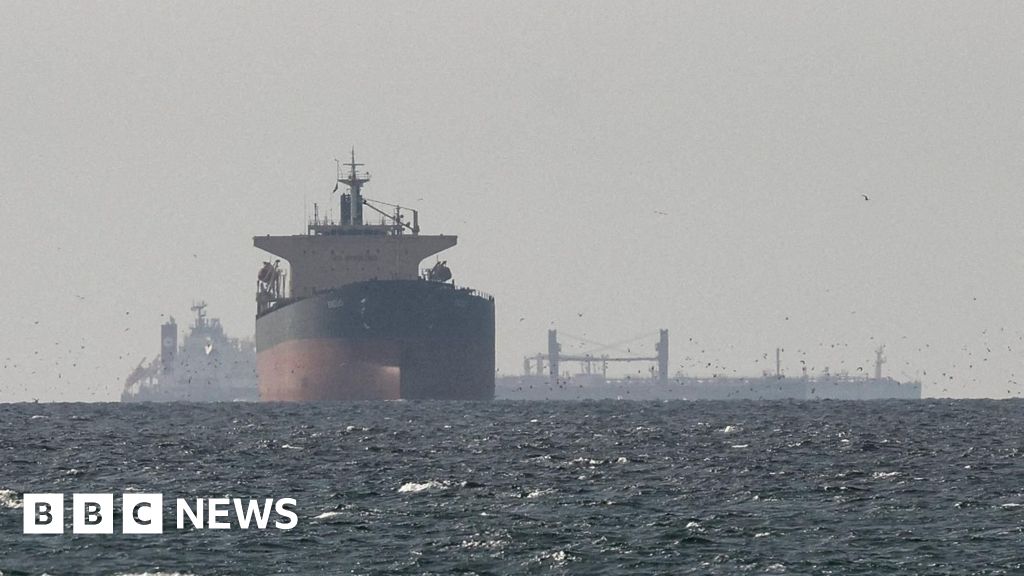
Multinational Hormuz escort operations create a new escalation vector: any Iranian attack on an allied warship (not just US/Israeli assets) triggers automatic retaliation from that nation's military, expanding the conflict beyond the current US-Israel-Iran triangle and raising the probability of NATO or Japan/South Korea direct involvement.
This also signals that air strikes alone have not achieved sea control — the campaign must now add a surface warfare component, which requires sustained carrier presence and increases logistics demand on US Navy underway replenishment (UNREP) capacity.
Trump's request signals a shift from unilateral US-Israel operations to multinational escort operations — a tacit admission that the current air campaign has not secured the strait and that sustained shipping protection now requires allied naval presence.
The appeal to China and France (outside traditional US alliance structures) suggests desperation to restore throughput; China's refusal or conditional acceptance becomes a leverage point in broader negotiations. Japan and South Korea deployment would strain their own regional postures (Japan faces China in the East China Sea; South Korea remains technically at war).
UK participation is most likely but politically costly domestically. Critically, this does NOT address the underlying cause: Iran retains the capability to mine and attack, and no escort force can guarantee 100% protection without defeating Iran's naval and missile capacity — which the prior signals show is not yet accomplished.
The article does not specify whether Trump made this request through formal diplomatic channels or public statements, whether any country has responded, or what operational parameters he envisions for the escort mission (rules of engagement, command structure, liability for ship losses).
Fault Lines
Strategic intelligence, synthesized daily — with a public track record. Every call graded against what actually happened.