Satellite Imagery Suggests Saudi Arabia Expanding al-Duwadimi Missile Plant for Larger Solid-Fuel Rockets
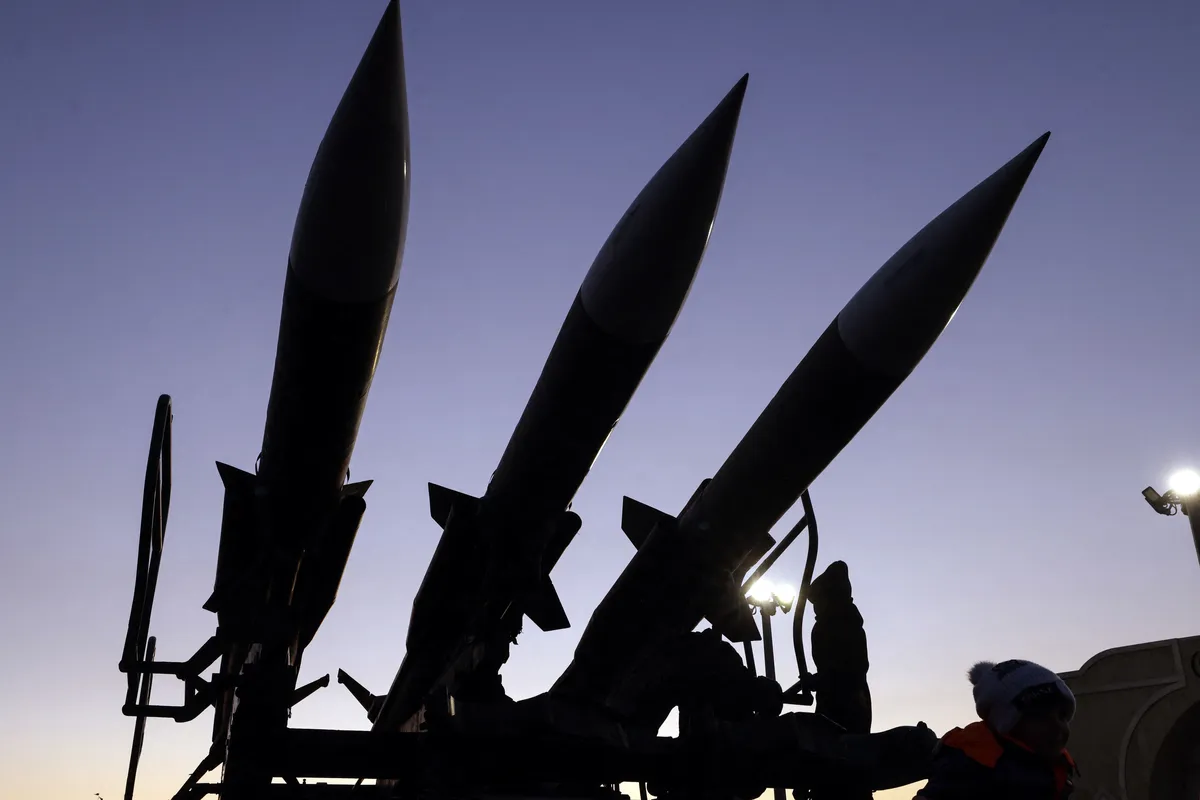
If Saudi Arabia fields a domestically produced solid-fuel missile with extended range, Iran's deterrence calculus shifts: Tehran can no longer assume Riyadh depends on US strike assets or Chinese resupply to threaten Iranian territory. That assumption has shaped Iranian targeting priorities since March 2026.
A Saudi second-strike capability — even a nascent one — forces IRGC planners to account for a Gulf adversary with independent escalation authority, which raises the floor on any negotiated de-escalation the Vance-Rezaei track is currently exploring.
Saudi Arabia's missile plant expansion, if confirmed, puts Riyadh on a path toward a domestic solid-fuel ballistic missile capability that extends well beyond the Chinese-designed systems it currently holds — a meaningful shift for a kingdom that has absorbed Houthi strikes on its energy infrastructure without a credible long-range deterrent of its own.
The al-Duwadimi facility is already the kingdom's primary ballistic missile production site, and a capacity increase there would compress the timeline for Riyadh to field missiles capable of reaching targets in Iran or Yemen's interior without relying on imported Chinese stocks.
Against the backdrop of the broader Iran conflict that has been active since March 2026, a Saudi missile buildup adds a second independent ballistic missile program to the Gulf theater, complicating US and Israeli targeting calculus.
What specific missile class is al-Duwadimi being expanded to produce — a derivative of the existing Chinese-origin DF-series, or a new indigenous design — and has Saudi Aramco or the Saudi Ministry of Defense formally acknowledged the construction activity visible in the imagery?
Fault Lines
Strategic intelligence, synthesized daily — with a public track record. Every call graded against what actually happened.