Space Force recruitment surge masks infrastructure gap ahead of force expansion
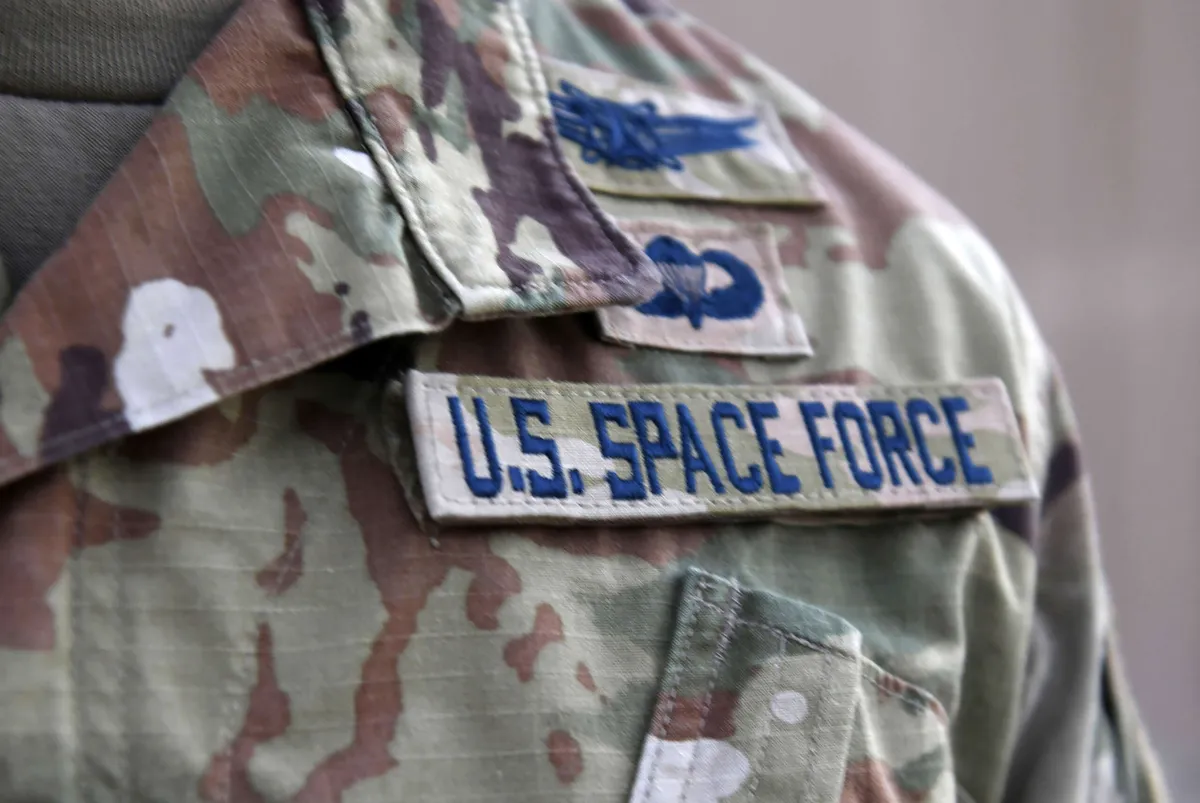
This is primarily a Power Projection story: recruiting wins mean nothing without the bases, training pipelines, and operational infrastructure to field expanded personnel. Secondary Market Forces angle: infrastructure contracts will flow to aerospace/defense firms and real estate/construction vendors, but only if Congress appropriates.
The connection depends on whether Space Force secures supplemental or FY2027 funding — a legislative outcome not addressed in this article.
Recruiting success is tactically positive but operationally hollow if infrastructure cannot support expanded headcount.
Bentivegna's statement to Congress signals that Space Force leadership sees infrastructure as the binding constraint on force growth, not talent acquisition. This matters for defense primes supporting Space Force facilities, real estate, and logistics: the service will need to justify budget increases for infrastructure modernization and expansion in FY2027+ appropriations cycles.
It also suggests Space Force may face near-term manning ceilings despite recruitment wins, which could delay capability deployment timelines. The gap between recruiting and infrastructure capacity is a known problem in military expansion, but the public acknowledgment to lawmakers indicates urgency.
The article does not specify which infrastructure domains are most constrained (facilities, IT, command-and-control networks, launch ranges, etc.) or provide estimates of the cost and timeline to double capacity.
Fault Lines
Strategic intelligence, synthesized daily — with a public track record. Every call graded against what actually happened.