Ukrainian Strikes Chonhar Bridge, Dzhankoi Checkpoint; Cuts Primary Crimea Supply Route
If Chonhar remains down for more than 10 days, Russian logistics into Crimea compress into two corridors — Henichesk-Arabat (now also hit) and the sea route via Novorossiysk. The sea route is 400+ nm round trip and exposes supply ships to Neptune missiles and Turkish-licensed drones.
Ground supply through Henichesk alone cannot sustain the Southern Military District's current force posture (estimated 40,000+ personnel in Crimea). Ukraine is not trying to cut Crimea off entirely — it's forcing Russia to accept supply-line attrition as a cost of occupation. That math favors Ukraine if the strike cycle holds.
This is the third confirmed strike on Chonhar in recent weeks — Ukraine is systematically degrading Russia's logistics arteries into Crimea.
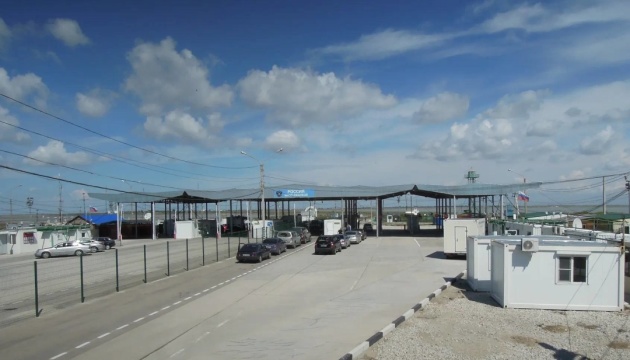
Dzhankoi sits at the junction of three primary supply routes; if traffic cannot move through the checkpoint, Russian forces must divert south through Henichesk or north through Armyansk, both longer and more exposed to drone interdiction.
The timing follows Ukraine's demonstrated deep-strike capability against Azot (Tula, June 13-14) and Temryuk Port (June 13), suggesting Ukraine's targeting doctrine has shifted from tactical targets to strategic logistics nodes.
Watch whether Russia attempts to repair Chonhar within 72 hours or accepts the loss and relies on sea routes — that choice signals whether Moscow believes it can sustain the Crimea garrison under sustained attrition.
What is the actual repair timeline for Chonhar? Can Russian engineers restore it before the next strike cycle, or is the bridge now in a permanent degradation loop?
Fault Lines
Strategic intelligence, synthesized daily — with a public track record. Every call graded against what actually happened.