Air Force Requests $3.2B Spares Budget to Address Aircraft Readiness Gap
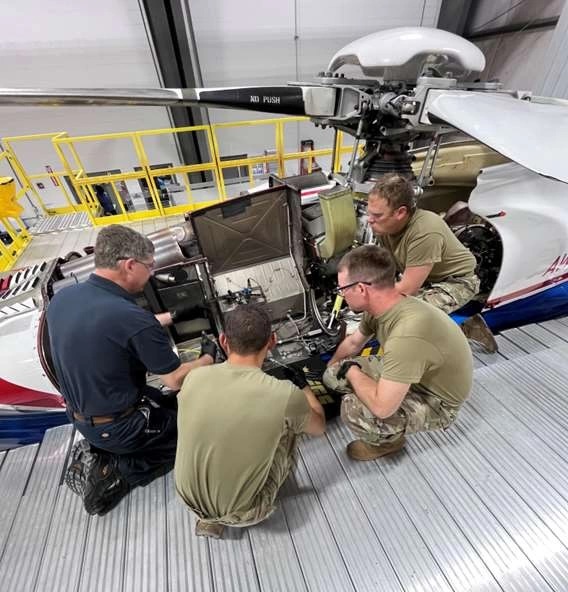
The spares shortage directly constrains power projection capacity in two theaters simultaneously. The April 16 signal on delayed European weapons deliveries was driven by production bottlenecks; this spares request reveals a parallel inventory crisis that will force trade-offs between sustaining existing platforms in the Middle East and maintaining surge-ready capacity for European contingencies.
If the $3.2B is not approved, allied air defense systems (Patriot, THAAD) will face extended downtimes, compressing the window for any negotiated settlement in the Iran conflict before NATO readiness becomes the binding constraint.
The $3.2B request signals that current inventory levels are insufficient to sustain concurrent operations in the Middle East and Europe without degrading readiness elsewhere.
This follows the April 16 signal that US weapons deliveries to Baltic and Nordic allies are already delayed due to stock depletion from Iran operations. If Congress approves the full amount, it indicates acceptance of a sustained high-ops-tempo posture; if delayed or reduced, readiness degradation will accelerate across allied commitments.
The timing — mid-conflict testimony — suggests the Air Force is now in reactive, not preventive, budget mode.
The article does not specify which aircraft platforms face the most acute spares shortages, nor does it clarify whether the $3.2B addresses current depletion or anticipated future consumption rates.
Fault Lines
Strategic intelligence, synthesized daily — with a public track record. Every call graded against what actually happened.