Ukraine Deploys 1969 Antonov as Interceptor Drone Launcher; Third of Russian Air Targets Now Destroyed Sub-$50K
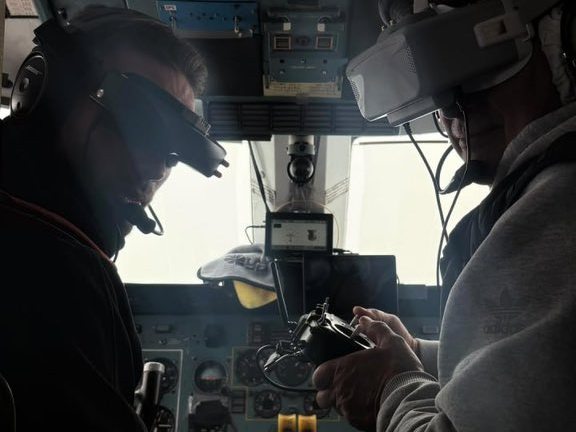
This tactic reduces Ukraine's dependence on Western air defense systems (Patriot, IRIS-T) by fielding a domestically-produced alternative at 1/50th the cost per engagement.
If the one-third kill ratio holds and production scales, it erodes Russia's air superiority strategy without requiring additional US/NATO aid commitments — shifting the attrition burden onto Russian aircraft procurement and pilot training, both already strained.
The An-28 platform choice also signals Ukraine can improvise with legacy Soviet airframes rather than waiting for new Western platforms, a resilience factor that complicates Russian planning assumptions about Ukrainian logistical fragility.
This signals a shift in Ukrainian drone doctrine from ground-based to airborne launch platforms — a tactic that extends engagement range, reduces predictability of launch locations, and complicates Russian targeting.
The cost profile (sub-$50K per drone) matters more than the platform age. If Ukraine is destroying one-third of Russian air targets with these systems, the attrition math favors Kyiv as long as production scales. The real question is production capacity: one-third of targets is only viable if Ukraine can manufacture replacements faster than Russia can generate new sorties.
The An-28 itself is expendable; losing a 1969 airframe to Russian air defense is acceptable cost if it takes out three Shaheds. This also suggests Ukraine's air defense is now layered enough that older platforms can be repurposed — a sign of industrial adaptation under fire, not desperation.
What is Ukraine's monthly production rate for these interceptor drones, and does it exceed the one-third target-kill ratio? If production is 50-100 units per month but Russia is flying 300+ sorties, the math collapses.
Fault Lines
Strategic intelligence, synthesized daily — with a public track record. Every call graded against what actually happened.