JSR Opens Taiwan Photoresist Fab Near TSMC by 2028; Locks Japanese Materials Supply to EUV Scaling
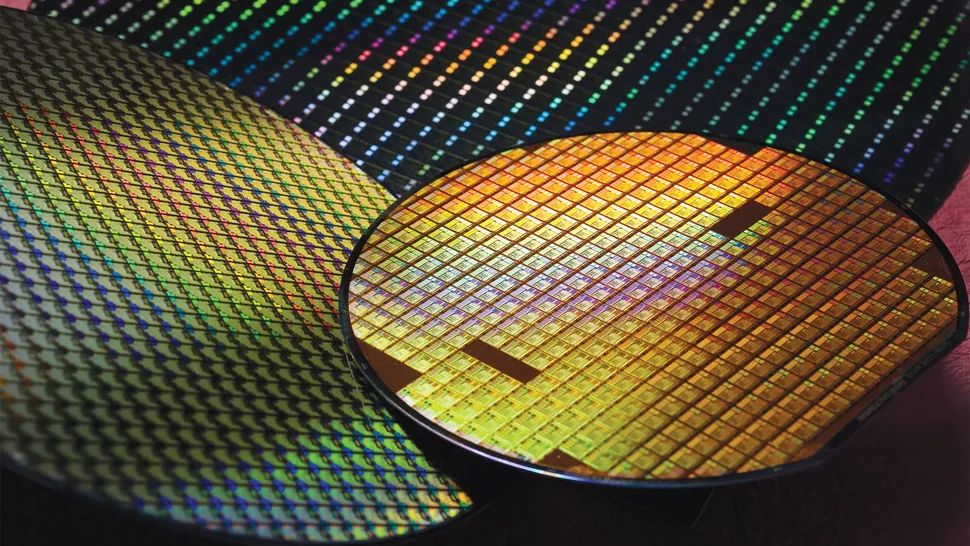
This is a capital deployment decision by JSR that reflects alliance-level supply chain hardening — not a response to a specific procurement contract. JSR is investing in Taiwan presence because TSMC's growth trajectory (two Virginia-class-equivalent fab expansions underway in Arizona, plus mature node scaling in Taiwan) demands EUV photoresist supply that Japan alone cannot sustain without logistics friction.
If JSR's Yunlin plant reaches 2028 on schedule, it removes one constraint that could otherwise force TSMC to negotiate with Chinese materials suppliers (Sinopec, CNPC) for specialty chemicals — a leverage point Beijing would exploit during a Taiwan crisis.
TSMC's Arizona fabs and the broader allied semiconductor expansion depend on EUV photoresist supply chains that currently route through Japan and South Korea — single points of failure in a geopolitical competition where China is bidding to disrupt supply.
JSR's Taiwan plant collapses that supply chain risk by 18-24 months (2028 operational date) and physically embeds a critical materials supplier inside TSMC's production footprint, making it harder for Beijing to pressure either party without direct Taiwan action.
The mechanism: if JSR remained Japan-based only, Taiwan contingency scenarios force TSMC to either stockpile (expensive, inventory risk) or rely on emergency airlifts during conflict. Co-location eliminates the logistics vulnerability.
Watch for the first production yield data in Q1 2029 — if JSR Taiwan achieves 90%+ purity on 5nm-capable resists, it signals TSMC has solved its materials constraint and can sustain 2-per-year advanced node output.
Does the co-development agreement with TSMC include exclusivity provisions, or can JSR sell Taiwan-produced photoresist to Samsung and Intel fabs? If exclusive, this is a supply chain lock-in; if not, it's a hedge.
Fault Lines
Strategic intelligence, synthesized daily — with a public track record. Every call graded against what actually happened.