India Domestic Opposition Constrains Modi's Iran War Alignment With Trump
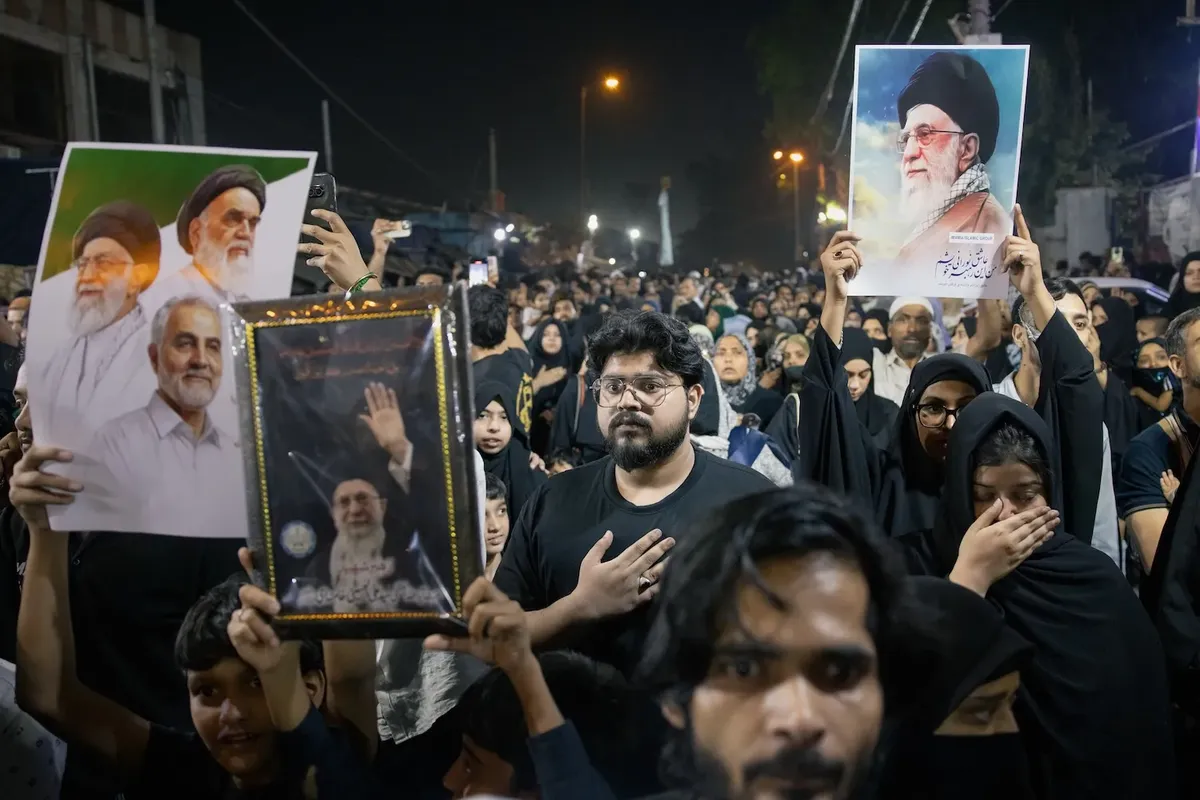
India's domestic political constraints on Iran alignment reduce the practical availability of Indian naval assets and port access for U.S. strike group logistics in the Arabian Sea, forcing the U.S. to rely on Saudi, UAE, and Diego Garcia basing — all of which are now under Iranian missile threat as of March 11-13. This compresses the operational footprint available to the U.S.
Navy precisely when Hormuz throughput has collapsed and commercial shipping requires continuous escort. If India withholds port access or overflight clearance, the third carrier strike group's ability to sustain forward operations depends entirely on allied facilities already under fire, raising the operational cost of maintaining the blockade.
India's hedging on Iran policy directly affects U.S. coalition cohesion in the Middle East.
India is a critical node in Indo-Pacific alliance architecture and a swing vote on Iran sanctions enforcement at the UN — domestic political constraints on Modi reduce the credibility of any U.S.-India coordination pledge on Hormuz shipping protection, sanctions compliance, or intelligence sharing on Iranian assets.
If Modi cannot deliver domestic political cover for deeper alignment, the U.S. cannot assume Indian naval or commercial support for enforcing oil flow through the strait, which is already at historic lows per the IEA signal from March 12.
This directly affects the feasibility of the third carrier strike group deployment (USS Tripoli + 31st MEU) — if India will not commit to Hormuz corridor security, the U.S. must provision for unilateral escort operations, extending deployment length and straining Pacific Command readiness.
The article does not specify which Indian constituencies are dissenting (left parties, Hindu nationalist factions, business groups, labor), what specific Trump policies trigger the opposition, or whether Modi has privately committed to any U.S. position that domestic pressure could force him to reve...
Fault Lines
Strategic intelligence, synthesized daily — with a public track record. Every call graded against what actually happened.