US-Iran Hormuz Hotline Activated; Direct Military Deconfliction Channel Operationalizes 60-Day Ceasefire Framework
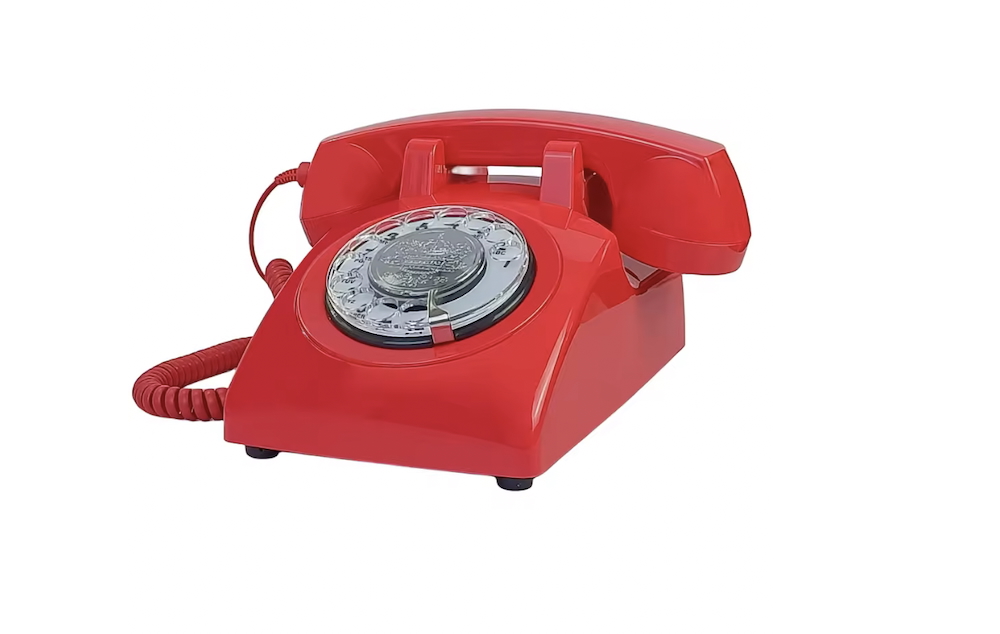
The hotline is necessary but not sufficient — it addresses the mechanics of deconfliction but not the underlying leverage asymmetry. Iran's closure of Hormuz during talks was a coercion move, not a negotiating tactic. If the nuclear terms don't shift materially toward Tehran's demands by late July, the hotline becomes a tool for managing a return to hostilities, not preventing it.
The real inflection is whether substantive offers on sanctions relief or IAEA inspection limits materialize in round two. If they don't, both sides will test the hotline's limits before the 60 days expire.
This moves the Iran-US standoff from crisis management into operational deconfliction — a structural prerequisite for the 60-day ceasefire to hold without accidental escalation.
The hotline is the mechanism that prevents a miscalculation (a radar lock, a drone incursion, a tanker interception) from collapsing the talks before the 60-day window expires. The critical date is day 60 of the ceasefire — if negotiations stall before then, both sides revert to kinetic posturing with a live communication channel that can no longer prevent spiral.
Watch the next negotiation round and whether substantive nuclear terms emerge by mid-July; if they don't, the hotline becomes a tool for managing deterioration rather than enabling agreement.
Does the hotline include real-time operational commanders (CENTCOM, IRGC Navy), or is it limited to diplomatic channels? A hotline that connects only foreign ministries won't prevent a Revolutionary Guard commander from ordering a closure of the strait during a misunderstanding.
Fault Lines
Strategic intelligence, synthesized daily — with a public track record. Every call graded against what actually happened.