Space Force Halts Vulcan Launches During Multi-Month Anomaly Investigation
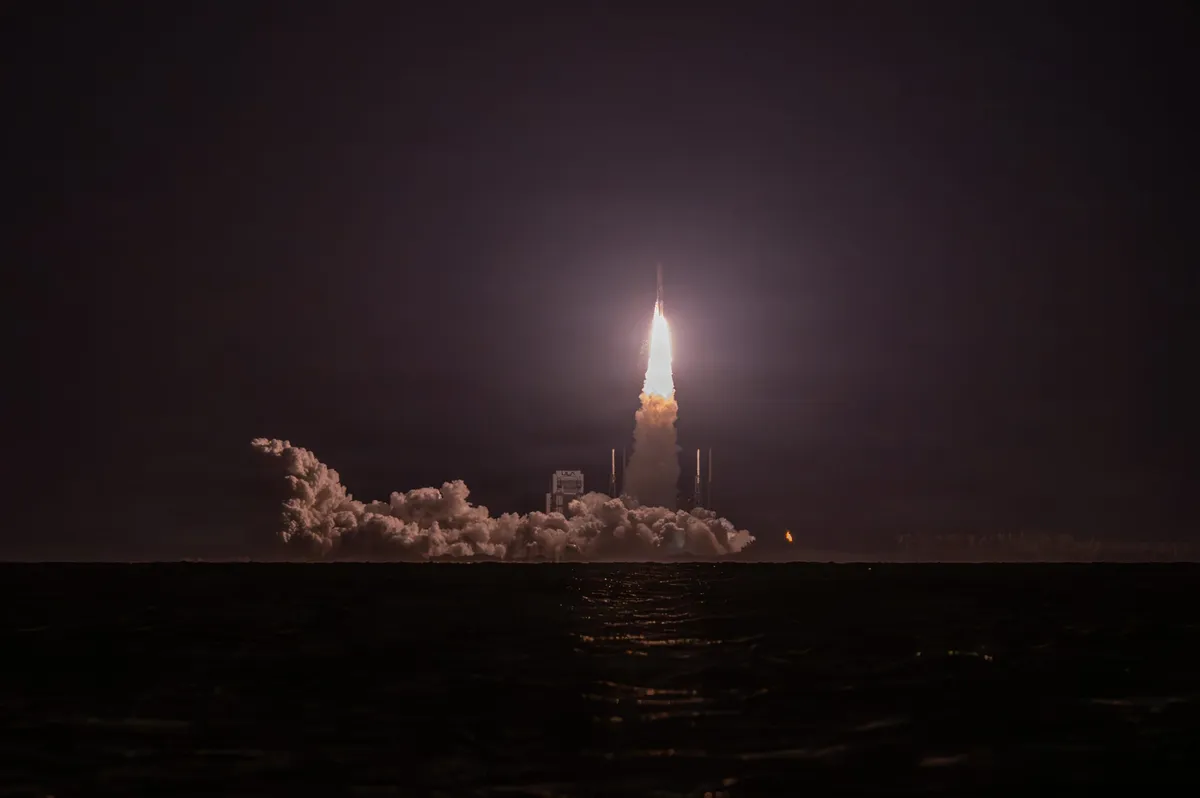
A multi-month Vulcan grounding forces Space Force to accelerate Falcon 9 National Security Launch Agreement missions and potentially pre-position New Glenn payloads earlier than planned, tightening SpaceX's production schedule and raising per-launch costs across the national security sector.
If the anomaly traces to BE-4 engine supply or quality control, it also exposes Atlas V's dependence on the same supplier, creating a single-point-of-failure risk that will surface in next year's procurement strategy for next-generation launch vehicles.
This pause directly delays delivery of classified payloads to orbit and forces Space Force to redistribute launches across competing vehicles (Atlas V, Falcon 9, New Glenn when operational).
If the anomaly is structural rather than procedural, Vulcan's certification timeline extends, which compresses ULA's manifest and creates a window for SpaceX to absorb additional national security missions. The strategic consequence depends on whether this is a single-vehicle issue (containable) or reflects a broader manufacturing or supply-chain problem at ULA.
Watch for whether the Space Force immediately contracts surge capacity with competitors or holds launch schedules flat, betting on a short investigation.
The article does not specify: (1) what type of anomaly occurred or on which mission, (2) how many military launches are affected or their payload classifications, (3) whether this is a Vulcan design flaw or a Blue Origin BE-4 engine issue, (4) whether commercial Vulcan missions are also paused, or (...
Fault Lines
Strategic intelligence, synthesized daily — with a public track record. Every call graded against what actually happened.