Ukraine Deploys AI to Automate Kill-Chain Targeting Under Combat Pressure
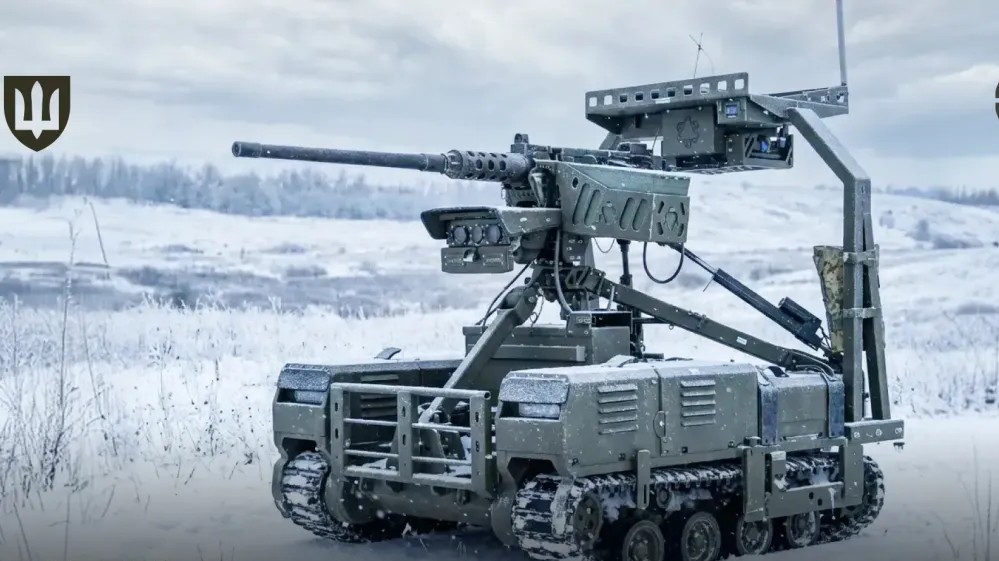
Ukraine's AI kill-chain automation directly accelerates the Orsk refinery campaign (deep strikes on Russian rear infrastructure announced April 29). If targeting workflows are machine-paced rather than human-bottlenecked, Ukraine can sustain higher strike frequency against dispersed targets—forcing Russia to either accept attrition or escalate air defense spending.
This also signals to NATO that wartime AI development outpaces peacetime procurement cycles; expect allied defense primes to argue for 'combat-proven' exemptions from validation timelines in future contracts, collapsing the gap between Ukraine's expedited path and NATO's slower acquisition model.
If Ukraine has actually automated targeting workflows—sensor-to-fire decision loops—this signals a tactical shift from human-in-the-loop targeting to machine-paced engagement.
The claim matters less for what it proves about current capability and more for what it reveals about Ukraine's R&D priorities: AI-driven efficiency under resource constraints, not AI safety or verification. Watch whether this translates to measurable changes in strike tempo or accuracy on the Orsk refinery attacks and similar deep-strike campaigns already underway.
The real risk: if Ukraine is automating kill chains, it's likely doing so without the validation cycles NATO primes demand, creating a template for other nations to compress AI-weapons development timelines. That precedent—wartime as justification for skipping verification—will matter when other actors cite it.
What specific targeting layer did Ukraine automate—sensor fusion, target classification, strike authorization, or damage assessment? And is this operational now, or a capability roadmap? The difference between 'we're building this' and 'this is live on deep strikes' is everything.
Fault Lines
Strategic intelligence, synthesized daily — with a public track record. Every call graded against what actually happened.