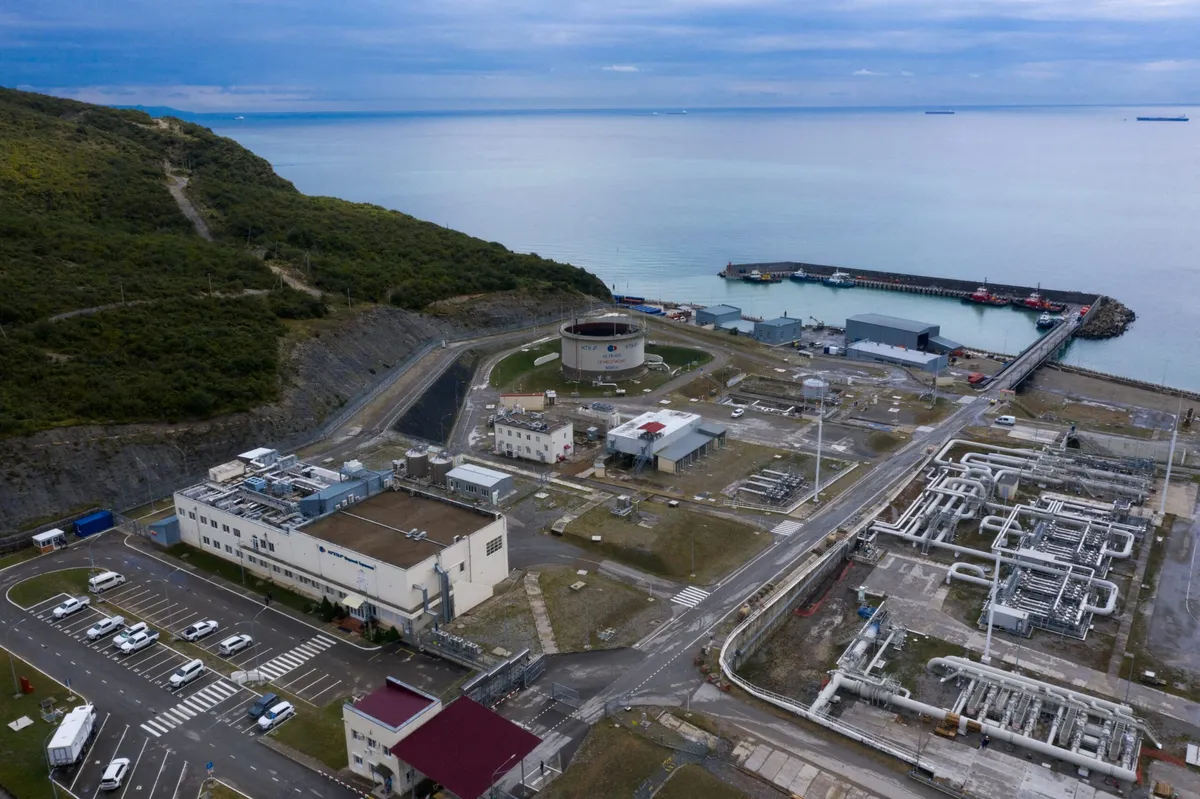
Ukrainian Drones Strike Sheskharis Oil Terminal; Fourth Major Russian Refinery Hit in Five Days
Ukraine is not striking randomly — it is executing a sequenced degradation strategy targeting Russia's distributed refinery network. Sheskharis feeds Black Sea fleet logistics; Kstovo and NORSI feed European theater supply lines; Novorossiysk handles both.
If Ukraine sustains this pace, Russian military fuel rationing becomes operationally binding by Q3 2026, which forces a choice: extend supply lines (exposing them to further strikes) or reduce sortie rates. The cascade is already visible — Sevastopol rationing suggests the first repair cycle has already failed.
Russia's refinery capacity is contracting faster than Moscow can repair it.
Sheskharis is one of the largest Black Sea terminals — losing throughput there compounds the logistics crisis already visible in Sevastopol gasoline rationing. The cadence matters: four major facilities in five days means Ukraine has shifted from opportunistic strikes to a sustained refinery degradation campaign.
If this tempo holds through June, Russian military fuel supply enters a binding constraint by summer — forcing a choice between frontline operations and civilian logistics.
What is the actual throughput loss across all four facilities combined, and what is Russia's repair timeline for each CDU? The article names the targets but not the aggregate production impact or Moscow's stated recovery plan.
Fault Lines
Strategic intelligence, synthesized daily — with a public track record. Every call graded against what actually happened.