PRSM Procurement Gap Widens as Iran Conflict Depletes Inventory; Production Ramp Lags Consumption
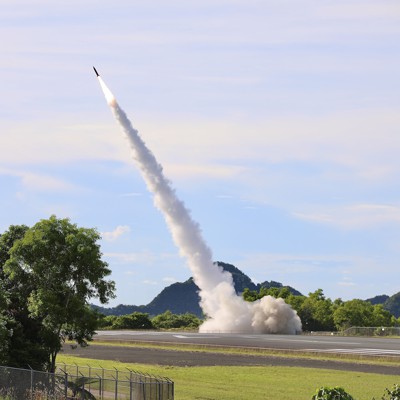
PRSM procurement constraints will force a choice between sustained strike tempo and inventory preservation.
If production cannot match current consumption, DoD will either request emergency supplemental appropriations (signaling campaign duration assumptions to Congress and allies), shift to cheaper precision munitions (reducing per-strike cost but potentially degrading targeting accuracy against hardened Iranian facilities), or accept operational pauses — any of which signals to Iran, Israel, and regional actors whether the US intends to maintain indefinite campaign capability or is rationing strikes.
The production bottleneck thus becomes a deterrence variable: adversaries will interpret any visible slowdown in strike frequency as a capacity limit rather than a strategic choice.
If PRSM production cannot match current consumption rates in sustained operations, the US faces a hard constraint on campaign duration and intensity.
This is not hypothetical: active strikes on Iranian energy infrastructure, air defense sites, and leadership targets (per prior signals) have already begun drawing down inventory.
The gap between demonstrated operational need and procurement capacity will surface in force-planning decisions within 60-90 days — either through a stated production acceleration, a shift to lower-cost alternatives (widening margins for Raytheon and Lockheed), or a constraint on future campaign scope.
The article does not quantify current inventory, monthly consumption rates, or production capacity, making it impossible to assess whether this is a 3-month problem or a 12-month one.
The article does not state current PRSM inventory levels, monthly burn rate in the Iran campaign, or planned production ramp timelines — all necessary to determine whether this is an urgent constraint or a planning-horizon issue.
Fault Lines
Strategic intelligence, synthesized daily — with a public track record. Every call graded against what actually happened.