Kongsberg Supplies 18 Waterjets to Indian Navy Missile Vessels; Norway Expands Indo-Pacific Naval Footprint
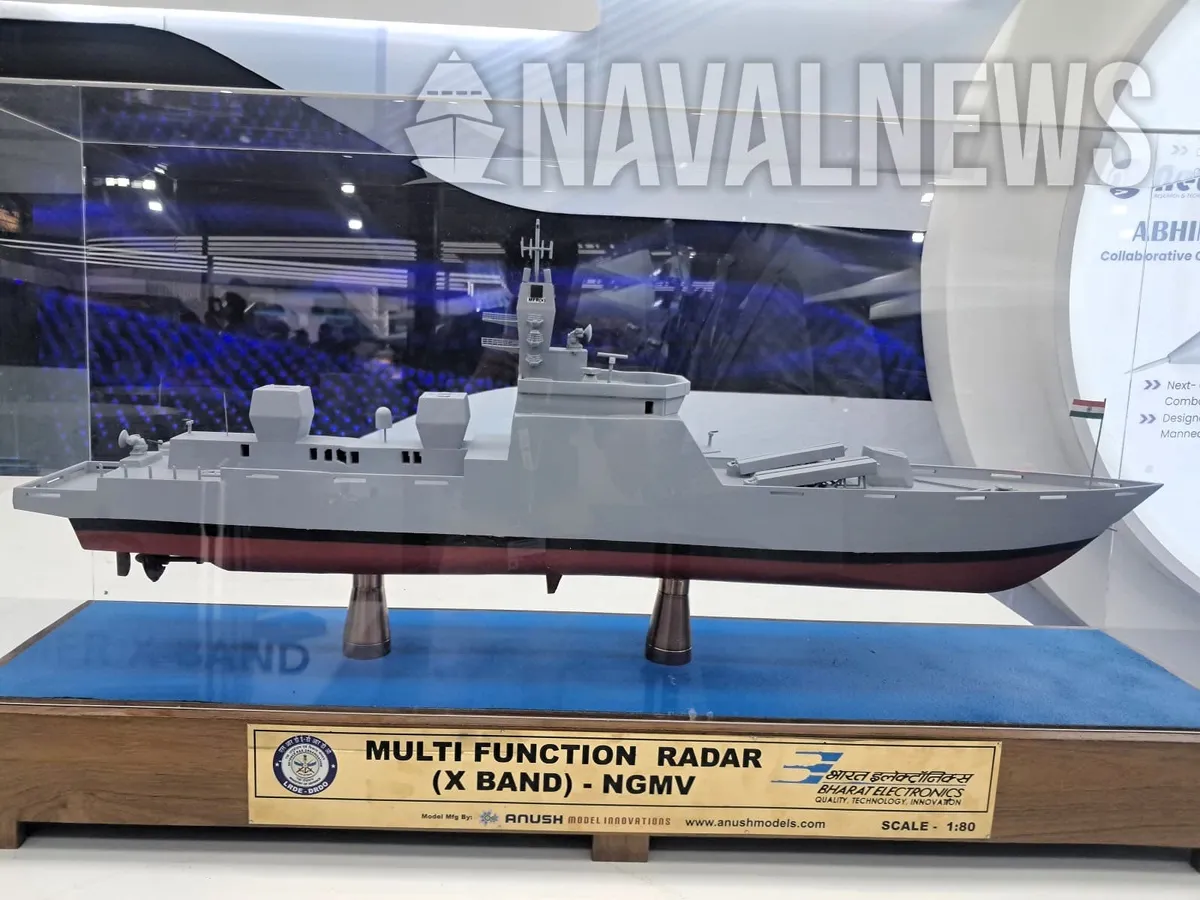
This procurement embeds Norwegian-supplied propulsion technology into Indian Navy combatants that will operate in the Taiwan Strait and South China Sea — regions where US and Indian strategic interests now explicitly overlap.
If future NGMV operations trigger NATO interoperability requirements (data links, fire control integration), India's naval modernization becomes a downstream indicator of how far Western allied naval integration extends beyond traditional Atlantic frameworks.
Conversely, if Chinese shipbuilders offer competing propulsion systems with lower sustainment costs, this contract's success determines whether allied suppliers can compete on total-cost-of-ownership in non-NATO markets.
This contract deepens Norway's role in Indo-Pacific naval modernization and signals allied technology suppliers are moving beyond traditional NATO-centric procurement.
For Indian Navy capability, waterjet propulsion enables the NGMV class to operate in shallow littoral zones critical to Indian Ocean strategy — a direct counter to Chinese naval expansion in the region.
Kongsberg's involvement also locks a NATO-aligned supplier into India's shipbuilding ecosystem, creating downstream sustainment dependencies and potential leverage points for Western export control coordination if US-India technology partnerships face friction.
The article does not specify the NGMV class displacement, timeline for vessel delivery, total program value, or whether these waterjets require US content (which would trigger ITAR restrictions and determine export approval pathways).
Fault Lines
Strategic intelligence, synthesized daily — with a public track record. Every call graded against what actually happened.