UK Subcontractor Begins E-7 Wedgetail Conversion Work for USAF
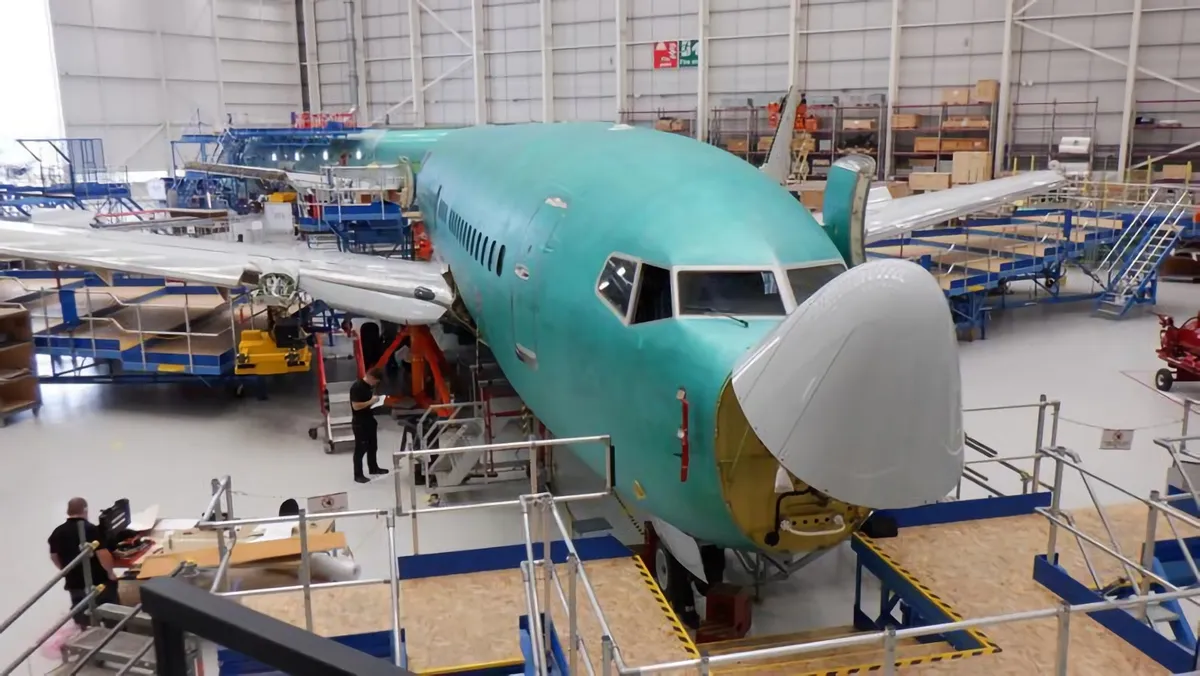
Outsourcing Wedgetail conversion to a UK subcontractor increases Boeing's reliance on UK manufacturing and export license approval for a platform that will directly support NATO air operations and US Indo-Pacific deterrence. Any disruption to UK supply (labor, regulatory, geopolitical) now directly affects USAF AEW capability and allied interoperability timelines.
This also creates a precedent: if UK work proves efficient, Boeing may expand allied subcontracting on other USAF platforms, which redistributes defense industrial capacity away from US primes and raises questions about supply chain resilience during potential UK-US trade friction.
This signals Boeing's strategy to distribute Wedgetail conversion work across allied suppliers rather than consolidating it domestically or within existing US production lines.
For Boeing and the USAF, this choice trades potential cost efficiency against supply chain complexity and foreign dependency on a critical airborne early warning platform.
The decision also suggests confidence in UK aerospace capabilities for sensitive defense work — a positive signal for allied interoperability but one that requires visibility into whether this sets a precedent for subsequent Wedgetail tranches (the USAF has not yet announced full production quantities).
The real constraint is whether this UK work accelerates or delays the USAF's Wedgetail fielding timeline relative to the original E-3 retirement schedule.
The article does not identify the UK firm, contract value, expected completion date, scope of work beyond 'initial conversion,' or whether this is a one-time arrangement or a template for future Wedgetail production.
Fault Lines
Strategic intelligence, synthesized daily — with a public track record. Every call graded against what actually happened.