Ukrainian Strikes Damage Two Crimean Bridges; Sevastopol Military Facility Targeted
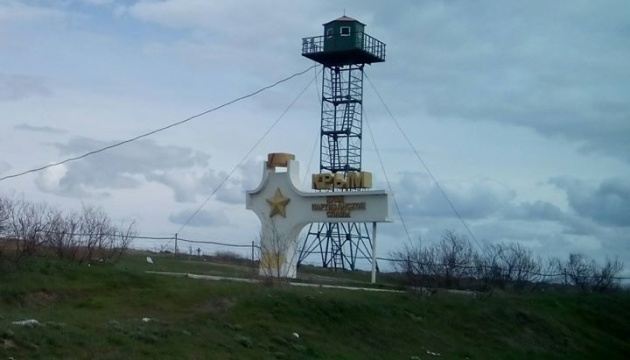
If the Armiansk bridges are rendered impassable for sustained heavy traffic, Russia loses the land corridor for rapid fuel redistribution into occupied southern Ukraine. This forces reliance on the Black Sea resupply route—the same route that the June 8 US Navy F/A-18 strike on an oil tanker and the June 9 EU 21st sanctions package (targeting shadow fleet LNG tankers) are designed to constrain.
The cumulative effect is a logistics squeeze: land routes degraded, sea routes under interdiction. Russia's documented gasoline shortages (acknowledged by the Energy Ministry on June 9) will accelerate if Crimean transit becomes unreliable.
This extends Ukraine's documented shift toward deep-rear logistics targeting—following the Chonhar Bridge strike on June 10 that crippled the 37th Motor Rifle Brigade's fuel supply.
Armiansk bridges are the primary road egress from Crimea into mainland-occupied Ukraine; damage compounds Russia's already-documented fuel distribution crisis. The Sevastopol strike indicates Ukrainian targeting is now reaching major fleet anchorages, not just logistics nodes.
Watch whether Russia responds with a shift in Black Sea Fleet positioning or accelerates the shadow fleet logistics network to bypass Crimean choke points.
What is the actual damage state of the two bridges—passable with restrictions, or impassable for heavy vehicles? If impassable, Russian logistics into Crimea shifts to sea-based resupply, which exposes vessels to further Ukrainian strikes.
Fault Lines
Strategic intelligence, synthesized daily — with a public track record. Every call graded against what actually happened.