Senate Armed Services Proposes Four-Star Command for Unmanned, Autonomous Systems
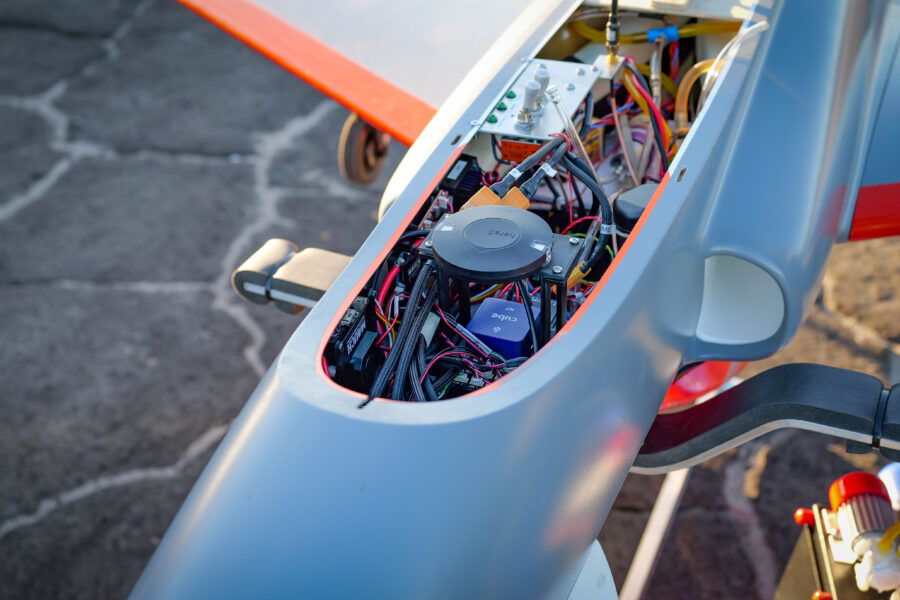
This proposal lands amid active drone-centric operations across three theaters — Iran strikes and counter-strikes (June 9-10), Ukrainian drone campaigns against Crimean infrastructure (June 11), and Taiwan's live-fire validation of US attack drones (June 10).
If the command is established, it creates a single point of advocacy for accelerating drone production and doctrine — directly relevant to the Air Force's 28,000-unit FAMM procurement plan announced June 10. A unified command also raises the question of whether current drone platforms (MQ-9 Reaper, RQ-4 Global Hawk, emerging AI-enabled systems) would fall under unified operational control or remain service-organic.
If enacted, this creates a structural decision point for the Pentagon: whether to elevate drone and autonomous warfare into a unified command structure equivalent to CENTCOM or INDOPACOM.
The mechanism is organizational — a four-star command consolidates scattered authorities (drone operations currently split across service components, geographic commands, and SOCOM) under a single chain of command with dedicated budget authority and force planning.
This matters because it signals congressional intent to treat autonomous systems as a warfighting domain on par with air, sea, and land — which forces the Services to compete for resources within that domain rather than protecting drone funding as a secondary capability within their legacy budgets.
The timeline is the FY27 defense bill — if passed, the Pentagon would face a decision within 12 months on whether to stand up the command, and implementation would likely follow in FY28.
Does the provision mandate the command or merely authorize it? The article says 'could have the option' — if authorization is discretionary, the Pentagon may defer the decision indefinitely.
Fault Lines
Strategic intelligence, synthesized daily — with a public track record. Every call graded against what actually happened.