RAF Downs 14+ Iranian Drones in Single Night; UK Escalates Air Defense Tempo
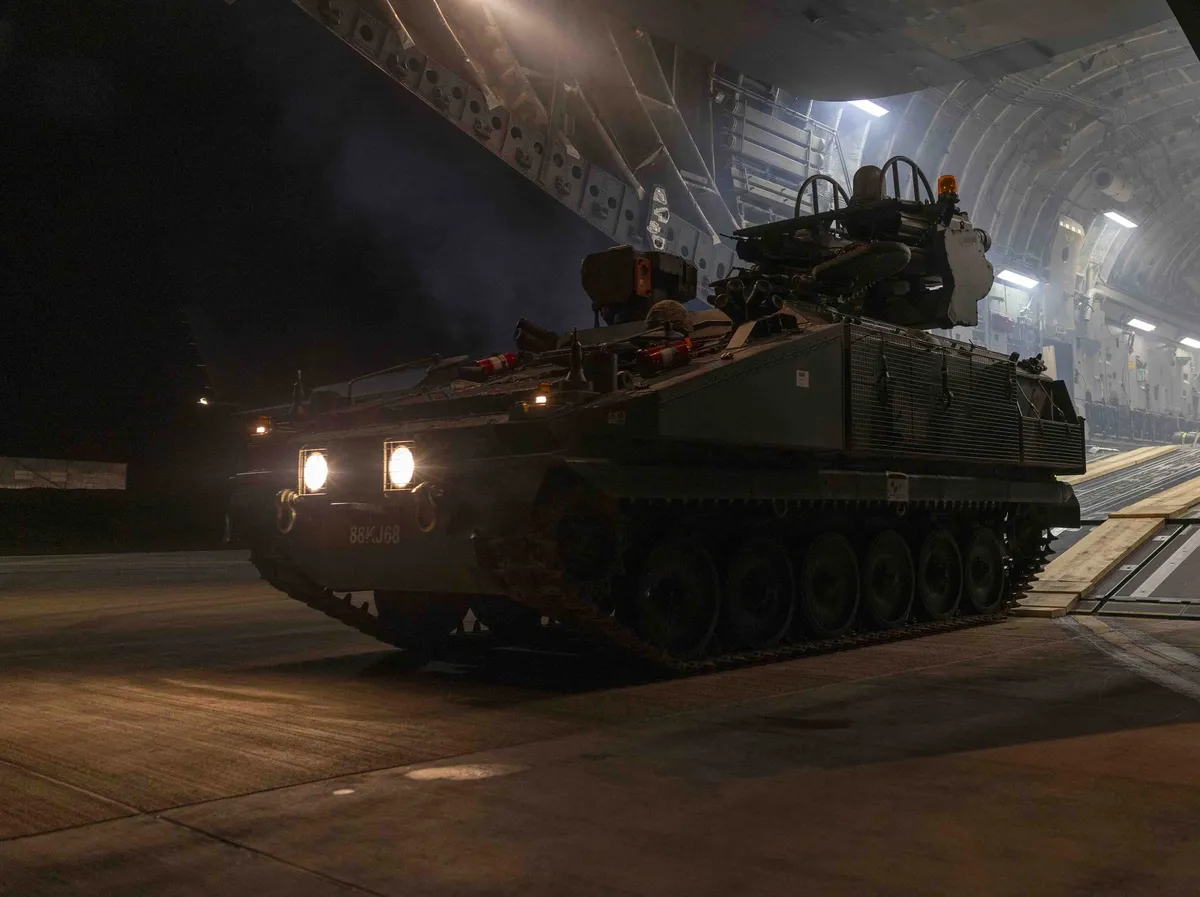
UK air defense commitments reduce RAF availability for NATO Europe contingencies and Red Sea escort missions.
If Iranian drone tempo forces permanent UK CAP presence in the Gulf, UK must either rotate additional squadrons (stretching training capacity) or negotiate burden-sharing with Gulf allies — both outcomes that reshape UK force posture away from Pacific contingency planning and toward sustained Middle East presence.
This directly competes with NATO's European air defense demands if UK is simultaneously committed to air cover in both theaters.
This signals sustained Iranian drone operations at scale — 14 in one night implies either a single large salvo or multiple coordinated strikes over hours.
The 850+ RAF flight hours indicate UK air defense is now a standing requirement, not a surge response. This commits UK air assets to continuous CAP (combat air patrol) and point defense, reducing availability for other contingencies. For UK defense procurement, this validates demand for short-range air defense upgrades (Starstreak, Rapier successor) and signals continued pressure on RAF pilot training pipelines.
Watch whether UK announces additional air defense deployments or extends rotations — a sign that Iranian drone production is outpacing allied interception capacity.
The article does not specify which Iranian drone types were engaged, their origin point (launched from Iran, Iraq, or Syria), or whether any drones penetrated UK air defense.
Fault Lines
Strategic intelligence, synthesized daily — with a public track record. Every call graded against what actually happened.