US EXIM Bank Conditions $240M Tungsten Funding on Exclusive US Off-Take
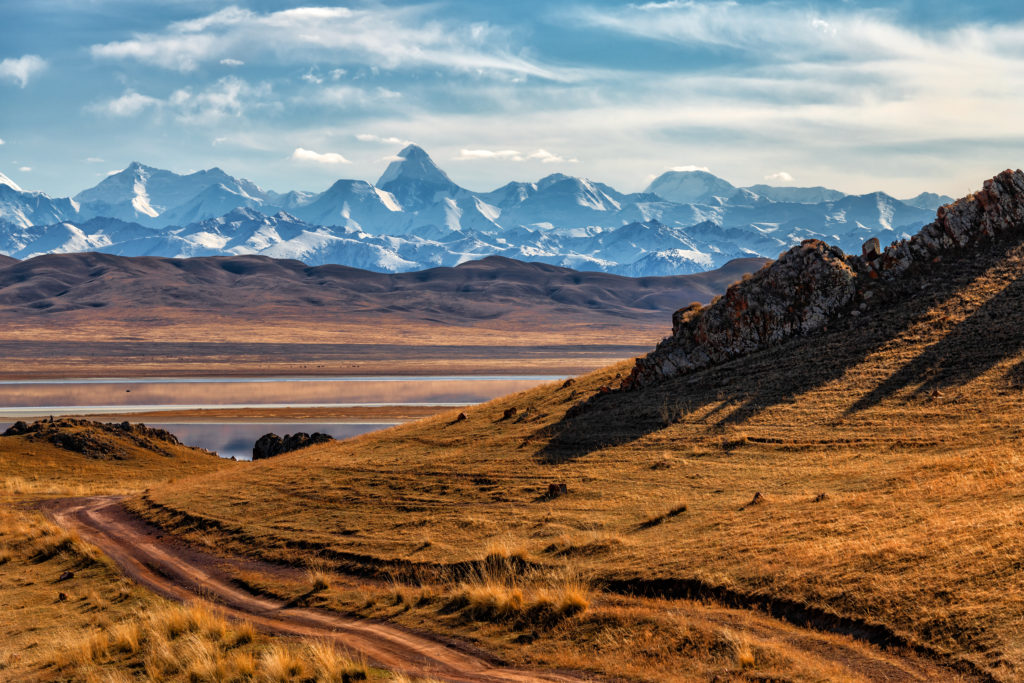
EXIM's exclusive off-take requirement converts a commercial mining investment into a geopolitical supply-lock: the US guarantees a buyer (itself) in exchange for capital, eliminating market risk for the project but also eliminating Kazakhstan's ability to sell to competitors or China.
This forces allied procurement planners (Japan, South Korea, NATO) to either secure their own exclusive agreements or compete for US surplus — shifting tungsten from a commodity market into a rationed strategic good.
If other allies lack similar arrangements, US military demand could crowd out allied suppliers, creating pressure for either allied co-investment in alternative sources or reliance on US re-export (which EXIM agreements typically restrict).
This deal operationalizes a critical minerals acquisition strategy: EXIM financing now explicitly conditions capital on exclusive supply agreements, locking Kazakhstan tungsten into the US defense industrial base.
Tungsten is essential for high-temperature alloys in jet engines, armor-piercing munitions, and missile guidance systems — areas where supply concentration matters acutely for wartime surge capacity. The arrangement bypasses traditional market competition and signals EXIM's willingness to use financing as a supply-chain control mechanism rather than export promotion.
However, the article does not confirm whether the $240M fully funds the project, whether production timelines meet current DoD demand forecasts, or whether competing allies (Japan, South Korea) have secured alternative tungsten sources.
The article does not specify: (1) total project capital required or EXIM's percentage stake; (2) expected annual production volume and how it maps to current US defense consumption; (3) whether other tungsten suppliers (Peru, Rwanda, Canada) have received similar EXIM treatment or if this is a novel...
Fault Lines
Strategic intelligence, synthesized daily — with a public track record. Every call graded against what actually happened.