HII and Path Robotics Launch AI Welding Pilot to Address Naval Shipyard Labor Constraints
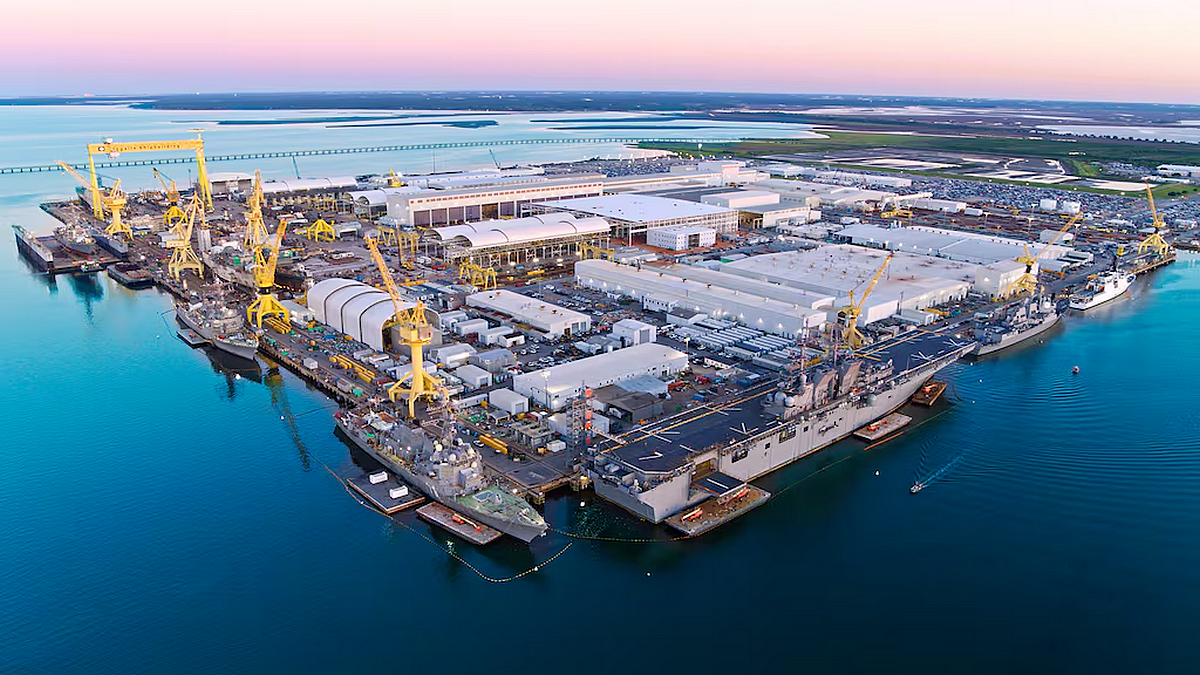
Automation of welding directly affects Navy shipbuilding capacity constraints, which currently limit Virginia-class and DDG-51 production rates below stated force structure targets. If HII's pilot succeeds, reduced labor hours per hull could enable higher annual delivery rates without expanding the skilled trades workforce — a constraint that Navy and Congressional budgeting models treat as fixed.
This shifts the binding variable from 'available welders' to 'funding and block buys,' which reshapes multi-year procurement planning and potentially accelerates Columbia-class ramp-up timelines.
HII operates two of the three U.S. nuclear submarine construction yards (Newport News and Ingalls) and is the primary builder of Navy surface combatants.
Labor availability in skilled welding trades is a documented constraint on DDG-51, Columbia-class, and Virginia-class production rates. If Path Robotics' AI welding system demonstrates cost-per-weld or throughput improvements sufficient to reduce manual labor hours per hull, HII could compress build schedules or absorb production increases without proportional headcount growth.
The MOU signals HII is testing automation to ease a real bottleneck, not exploring moonshot technology. Success would most directly benefit HII's margin profile on high-volume contracts and could influence Navy planning assumptions about feasible production ramps for future-year procurements.
The article does not specify: (1) which welding operations or vessel classes Path Robotics' system targets; (2) whether HII intends to pilot this at Newport News, Ingalls, or both; (3) timeline for prototype testing or production integration; (4) whether Path Robotics has prior defense or maritime e...
Fault Lines
Strategic intelligence, synthesized daily — with a public track record. Every call graded against what actually happened.