GAO: Only 27% of F-35As Mission-Ready; Software, Parts, Corrosion Cited
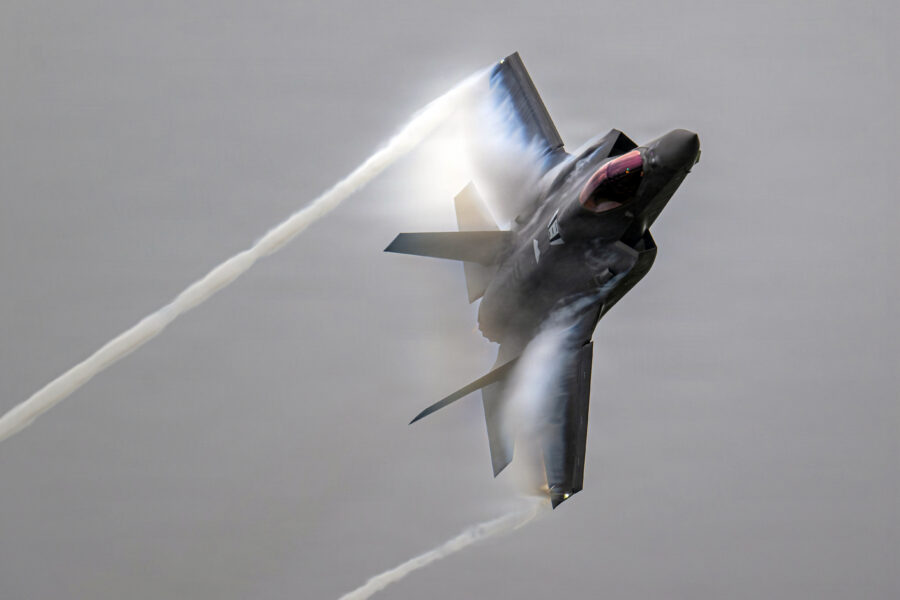
Lockheed Martin's sustainment contract (valued at ~$3.5B annually across all variants) now faces pressure to demonstrate measurable readiness improvements or face congressional scrutiny on contractor performance.
If the Air Force cannot move the needle above 35% within 18 months, the service will face a choice: accept the platform's role in contested operations is limited to homeland air defense and training, or request a major re-baseline of the sustainment contract with penalty clauses tied to readiness milestones.
The software and parts shortage suggests the bottleneck is not design but production and depot throughput — Lockheed's Fort Worth facility and the network of regional depots may lack capacity to sustain the fleet at higher readiness levels without capital investment.
This readiness floor directly constrains INDOPACOM and European Command force planning — if 73% of F-35As are unavailable for full-spectrum missions at any given moment, operational commanders cannot assume the platform will be present in the numbers their contingency plans require.
The constraint is not funding or procurement; it is sustainment and engineering. Air Force Global Strike Command and Air Combat Command must now either accept degraded mission sets (air-to-air only, or strike-only configurations) or reduce the F-35A's role in contested scenarios and rely on legacy F-16s and F-15s to backfill.
Watch the FY27 FYDP for whether the Air Force requests emergency sustainment line-item increases or begins retiring F-35As to concentrate maintenance resources on a smaller, higher-readiness subset.
Does the 27% figure include or exclude aircraft in depot-level maintenance? If aircraft in planned overhaul are excluded, the operational availability may be higher — but if included, the readiness crisis is worse than the headline suggests.
Fault Lines
Strategic intelligence, synthesized daily — with a public track record. Every call graded against what actually happened.