Ukraine Destroys 28th Russian Air-Defense Asset in May; ST-68 Radar Blind to Drone Attack
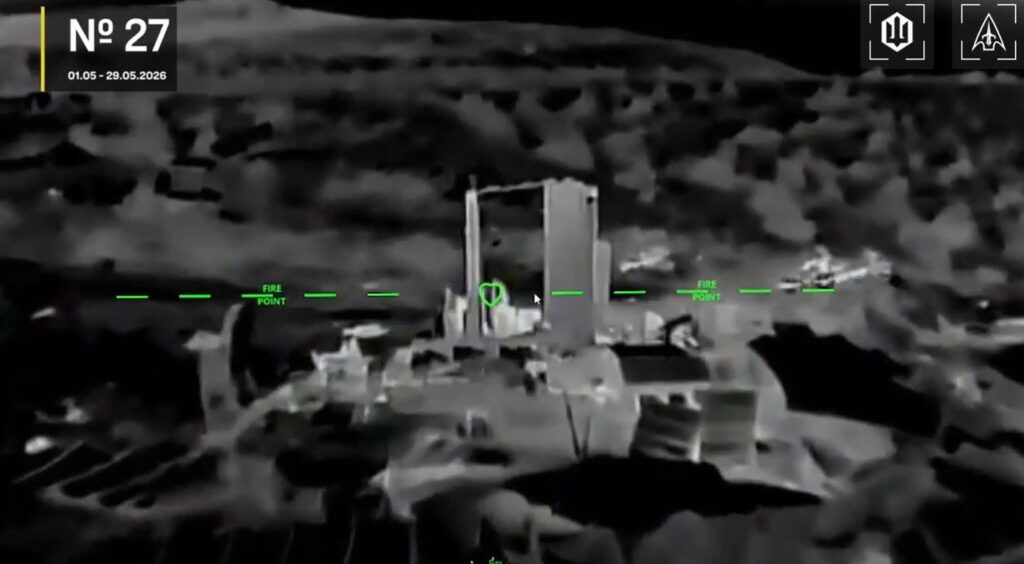
The ST-68 loss is tactically significant but operationally revealing. Russia's air-defense network depends on radar handoff — the ST-68 detects threats at 100+ km range and passes targeting data to shorter-range systems. Losing the radar doesn't make the Pantsir useless, but it forces the Pantsir into autonomous mode with a 15-20 km detection envelope.
That compression of detection range means Ukraine's drones and cruise missiles get closer before being engaged, raising intercept difficulty and reducing the air-defense system's effective footprint.
The cumulative loss of 28 air-defense assets in a single month signals that Russian layered air defense in the southern theater is fragmenting faster than Moscow can reconstitute it.
The ST-68 radar is the backbone of Russian medium-range air-search capability — losing it degrades the entire integrated air-defense network's ability to cue short-range systems like Pantsir and Tor.
If Ukraine maintains this attrition rate (roughly one asset per day), Russian air-defense coverage over Crimea and the southern corridor becomes porous by mid-June, creating a window for sustained Ukrainian strikes on logistics nodes and command posts that currently rely on air-defense umbrella protection.
Watch whether Russian forces relocate remaining radar assets northward or attempt emergency resupply of Pantsir systems from reserve stocks.
What is the actual composition of the 28 destroyed systems — how many are radars versus short-range air-defense guns, and are any of the losses attributable to long-range strikes versus forward reconnaissance and drone targeting?
Fault Lines
Strategic intelligence, synthesized daily — with a public track record. Every call graded against what actually happened.