Tunisia Takes Fourth U.S. C-130H, Expands Intra-Africa Logistics Reach
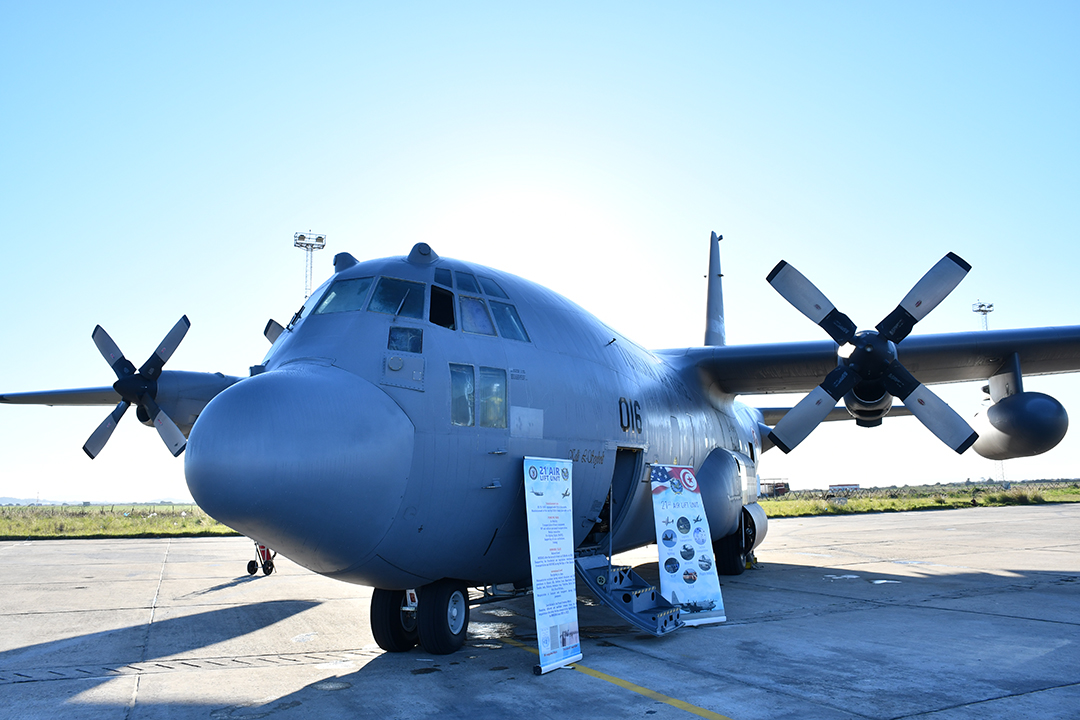
The C-130H transfers sustain U.S. access to Sidi Ahmed Air Base (critical for Libya contingencies and Sahel operations) without requiring new basing negotiations or increased security aid that might trigger domestic political blowback in Tunisia.
If Tunisia operationalizes these aircraft for counter-ISIS-K missions in the Sahel or for logistics support to allied forces in Libya, the U.S. gains indirect force-multiplication without direct commitment.
This is incremental force development, not a strategic pivot.
Tunisia gains modest cargo/personnel airlift capacity for regional operations and humanitarian missions, but four C-130Hs do not materially shift North African military balance or create new U.S. leverage in the region. The signal matters only if the delivery rate accelerates beyond one per ~1.25 years or if Tunisia deploys these aircraft in contested operations (e.g., Mali, Libya).
For now, this reflects routine FMS execution and maintenance of U.S.-Tunisia defense ties.
The article does not specify: (1) whether these aircraft are new-build or reconditioned; (2) total program cost or FMS terms; (3) serviceability rates of the three previously delivered C-130Hs; (4) intended operational use (counterterrorism, border patrol, humanitarian); (5) whether Tunisia has requ...
Fault Lines
Strategic intelligence, synthesized daily — with a public track record. Every call graded against what actually happened.