EU commits €90B to Ukraine through 2027, signaling sustained fiscal backing
Primarily a market forces story: the loan extends Ukrainian purchasing power and budgetary visibility through 2027, which shapes European defense contractors' production planning and working capital assumptions for Ukraine-related revenue streams.
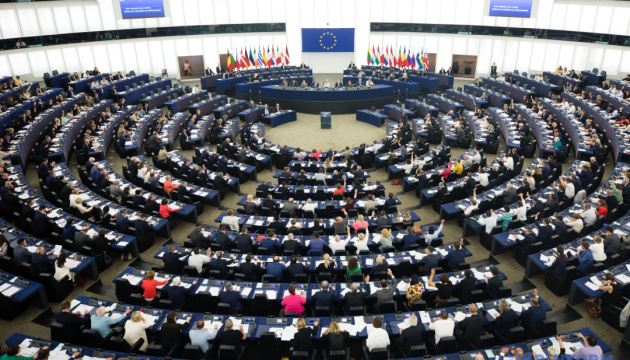
The ceremonial framing (EP anniversary session) telegraphs political commitment, reducing perceived risk of aid reversal—relevant to Rheinmetall, Diehl, MBDA, and other EU primes bidding on Ukrainian contracts.
Power projection implications are secondary and conditional: sustained funding enables Ukrainian force reconstitution, but the article provides no detail on defense allocation, so the link to Ukrainian military capability remains inferred rather than evidenced.
This formalizes EU financial commitment to Ukraine at scale through mid-2027, extending predictability for Ukrainian defense procurement and industrial capacity planning.
The timing and ceremonial framing (anniversary session) signals political durability of support within the EP, which matters for sustained defense contractor engagement and Ukrainian military planning horizons.
However, the €90B figure alone does not indicate how much flows to defense versus reconstruction or social spending—a critical gap for assessing impact on European defense industrial base or Ukrainian military modernization timelines. If the loan terms require Ukrainian budget discipline or NATO interoperability standards as conditions, that would amplify defense-sector signaling; the article does not address this.
What portion of the €90B is earmarked for defense versus civilian reconstruction, and what conditions (if any) are attached to disbursement? Does the loan structure create procurement leverage for EU defense firms or lock in Ukrainian sourcing preferences?
Fault Lines
Strategic intelligence, synthesized daily — with a public track record. Every call graded against what actually happened.