France Funds Pasqal-Welinq Neutral-Atom Quantum Network to Close EU Compute Gap
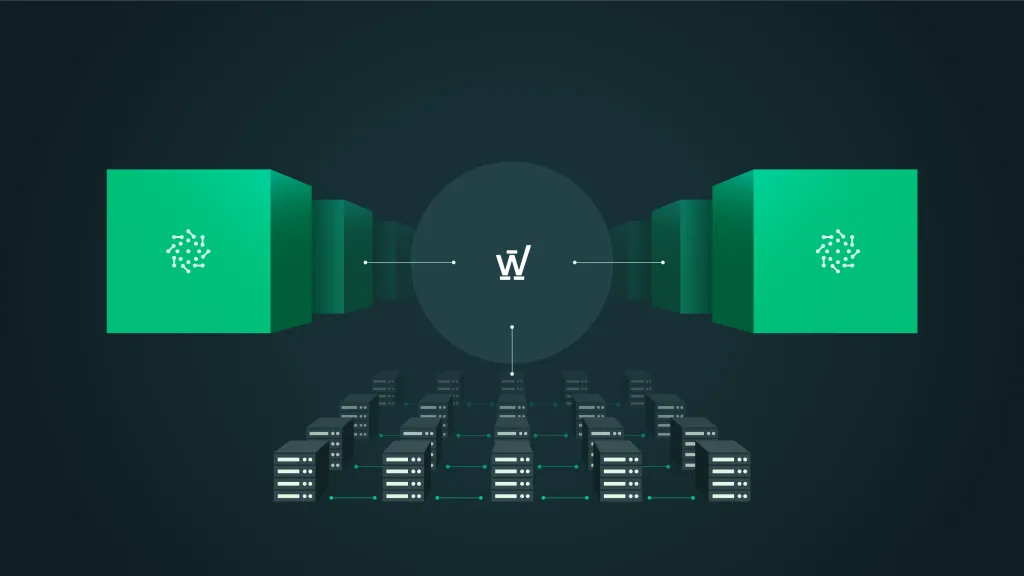
If Pasqal's neutral-atom architecture matures into a networked, distributed system, it creates an alternative to US-dominated quantum supply chains and reduces EU dependency on IBM/Google licensing for quantum compute access.
This does not immediately alter NATO deterrence or procurement timelines, but it shifts the cost-of-denial calculation for US export controls on quantum technology—a networked EU system becomes harder to isolate than a single-node platform. Watch whether Thales, Airbus, or other French defense primes acquire access or co-develop applications.
This signals France's direct capital commitment to quantum infrastructure as a dual-use technology vector.
Neutral-atom quantum systems are harder to export-control than superconducting alternatives because they avoid specialized cryogenic supply chains, making them strategically valuable for EU technological autonomy. However, €4.7M is modest relative to US quantum R&D spending (NSF and DARPA combined exceed $1.2B annually) and does not yet demonstrate commercial viability or defense integration.
The real decision point is whether this prototype attracts follow-on funding for manufacturing scale-up; without it, this remains a research grant rather than a capability-building program.
The article does not disclose whether InterQo has explicit defense/NATO applications, classified milestones, or export-control implications—all of which would determine whether this is commercial quantum development or strategic infrastructure.
Fault Lines
Strategic intelligence, synthesized daily — with a public track record. Every call graded against what actually happened.