Ukraine's Global Mark Unveils Sea Trident ST-1000 XLUUV at Eurosatory 2026
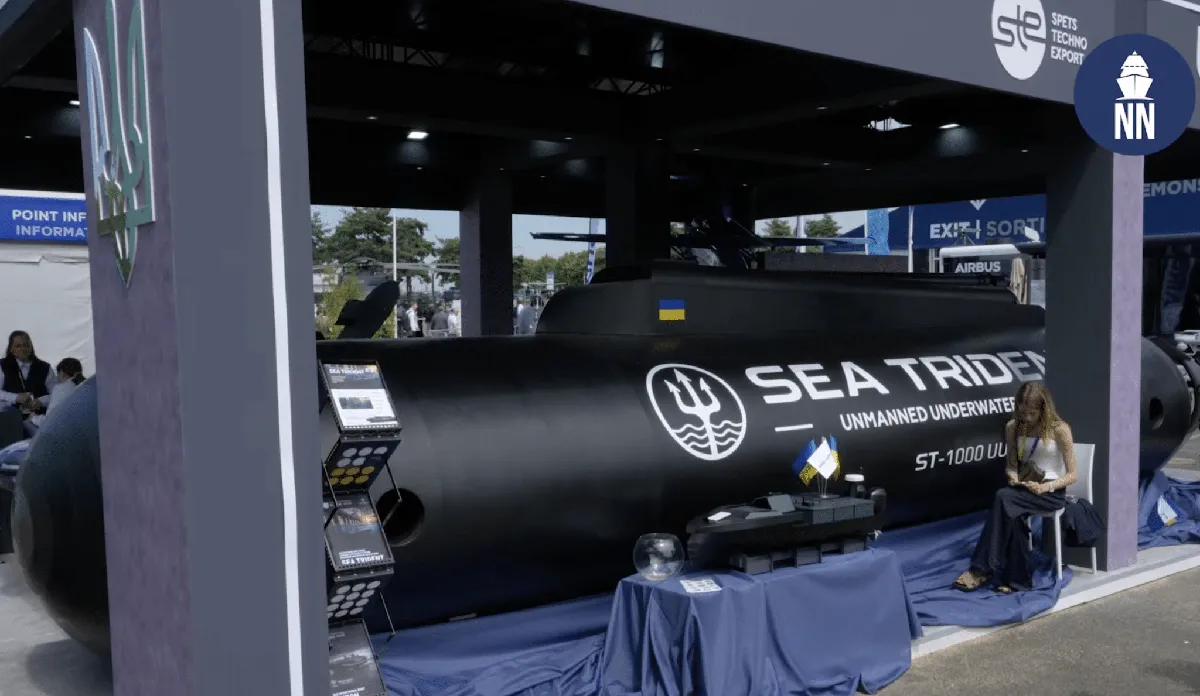
If the ST-1000 achieves even modest operational status, it forces Russia to expand ASW coverage across the Black Sea — a resource drain on a fleet already stretched by Crimean logistics. More immediately, it demonstrates that Ukrainian defense contractors are moving beyond attrition warfare into platform development, which suggests sustained institutional capacity even under wartime conditions.
This matters for NATO's post-conflict planning: if Ukrainian firms can design and produce novel naval systems mid-conflict, they become valuable partners for allied undersea modernization — a lever Kyiv can use in reconstruction negotiations.
Ukraine is signaling capability to strike Russian naval assets and logistics below the surface — a capability gap that NATO has observed but not yet fielded at scale.
The timing matters: if the ST-1000 reaches operational status within 18-24 months, it closes a vulnerability in Ukrainian anti-ship doctrine that currently depends on surface-launched missiles and drone swarms.
Watch whether Poland, the Baltics, or NATO procurement offices begin requesting technical specifications or trials — that would indicate allied interest in adopting or co-producing the system, which would shift undersea warfare expectations in the Black Sea and Baltic theaters.
What is the ST-1000's reported range, endurance, and payload capacity? The article provides none of these specs. Without them, it's impossible to assess whether this is a prototype-stage concept or a near-operational system.
Fault Lines
Strategic intelligence, synthesized daily — with a public track record. Every call graded against what actually happened.