JSDF Evaluates AEW Radar Pod for MQ-9B SeaGuardian to Extend Surveillance Range
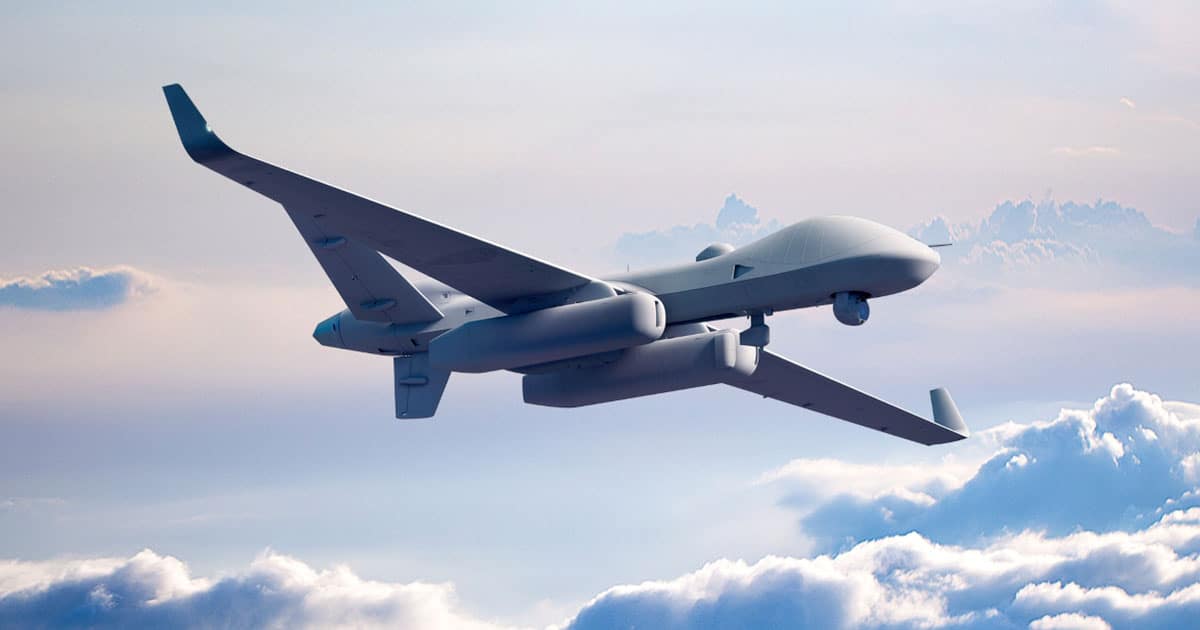
This is incremental capability creep, not a pivot. Japan is not replacing its E-2D force or JSDF early-warning infrastructure — it's adding a supplementary persistent node for the high-traffic maritime corridors where China's coast guard operates daily.
The real second-order effect: if JSDF operationalizes AEW-equipped MQ-9Bs, Taiwan will demand the same capability for its own MQ-9s (which it operates in smaller numbers). That creates a supply-chain bottleneck at General Atomics for pod integration and testing, especially if both Japan and Taiwan are in procurement competition by 2027–2028.
Japan is closing a sensor gap in its extended air defense architecture without waiting for allied systems.
The MQ-9B already provides 27+ hour endurance; adding an AEW pod shifts it from a targeting platform to a persistent early-warning node covering the East China Sea and approaches to the Senkaku Islands — exactly where China's coast guard and PLAN are operating at scale (per the June 7 signal on Beijing's largest patrol ship deployment east of Taiwan).
This matters because JSDF currently relies on land-based radar and occasional allied E-2D overflights; a persistent drone-mounted radar reduces response time from 15–20 minutes to under 5 minutes for inbound maritime threats. The constraint is technical: a ruggedized AEW pod adds 800–1200 kg to the MQ-9B's payload, cutting endurance to 18–20 hours and requiring power management trade-offs.
If JSDF commits to procurement, expect 4–6 aircraft with pod capability by 2028, funded from the FY27–FY29 defense budget increments already allocated for Indo-Pacific deterrence.
Has JSDF identified a specific AEW pod design (Northrop Grumman's APY-9, Leonardo's Osprey, or a custom Japan-US co-development)? The source doesn't specify, and the choice determines integration timeline and allied interoperability.
Fault Lines
Strategic intelligence, synthesized daily — with a public track record. Every call graded against what actually happened.