Norway FM Eide Tells Allies at Atlantic Future Forum: Pax Americana Is Over, Europe Must Own Its Security
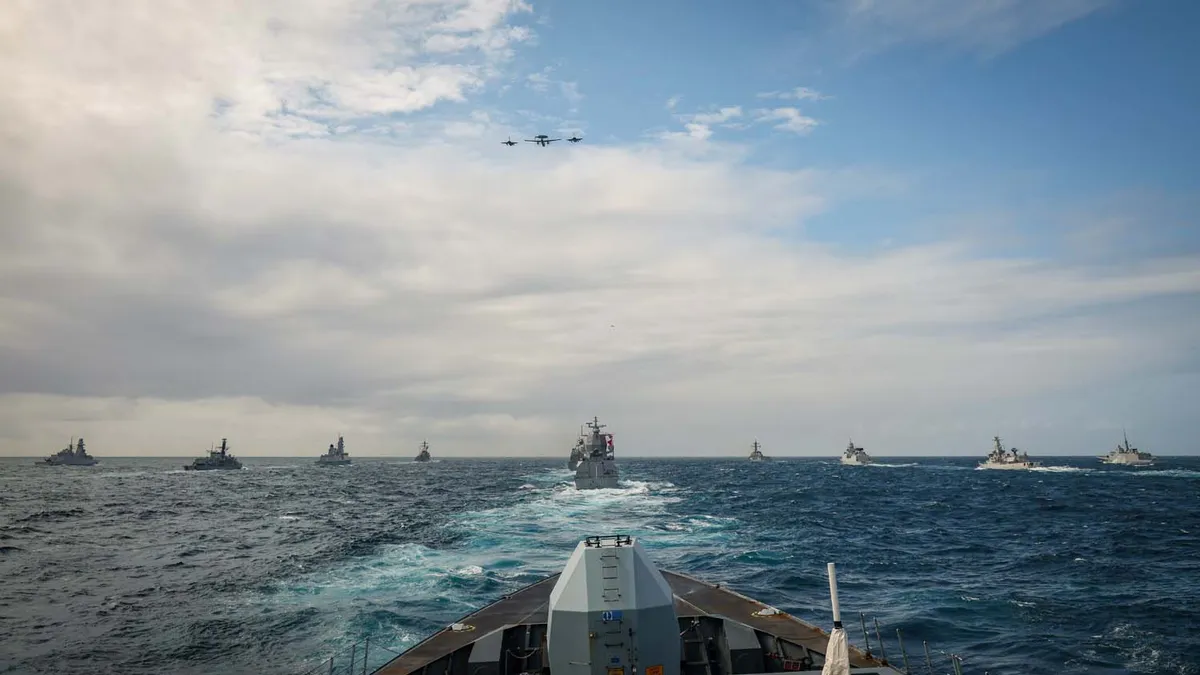
If European capitals accept Eide's framing — that US disengagement is structural, not cyclical — procurement timelines accelerate regardless of what the next Congress does on Ukraine funding. Norway's Type 26 and submarine co-buys with Britain and Germany are the template: interoperability designed to function without US C2 integration.
The alliance that emerges from this logic looks less like NATO-as-US-instrument and more like a European security core with US participation on terms Washington no longer sets. That shift puts the burden of deterrence credibility in the High North on the Royal Navy and the German Navy before either has completed their respective frigate and submarine programs.
Norway's Foreign Ministry is now publicly framing European burden-sharing not as a political preference but as a permanent structural condition — and doing so from the deck of a British carrier at a multilateral forum, which is a deliberate signal to allies and Washington simultaneously.
Eide's warning that 'even more dramatic choices' lie ahead in the coming months, delivered against the backdrop of active Russia-Ukraine talks in Abu Dhabi and the ongoing Hormuz conflict, gives the statement operational weight beyond routine rhetoric.
Norway's bilateral purchases — Type 26 frigates with Britain and submarines with Germany — are the concrete mechanism Eide is pointing to: interoperable platforms that reduce dependence on US logistics and command integration. The Northern Navies Initiative agreement signed Tuesday aboard Prince of Wales is the dated, checkable event that anchors this shift in alliance architecture.
What specific capability gaps in the High North does Norway's Foreign Ministry believe the US has already stopped filling — and has SACEUR been briefed on the Kola Peninsula argument Eide made to the US administration?
Fault Lines
Strategic intelligence, synthesized daily — with a public track record. Every call graded against what actually happened.