Trump Lifts Cuba Oil Embargo During Iran Conflict; Strategic Realignment Underway
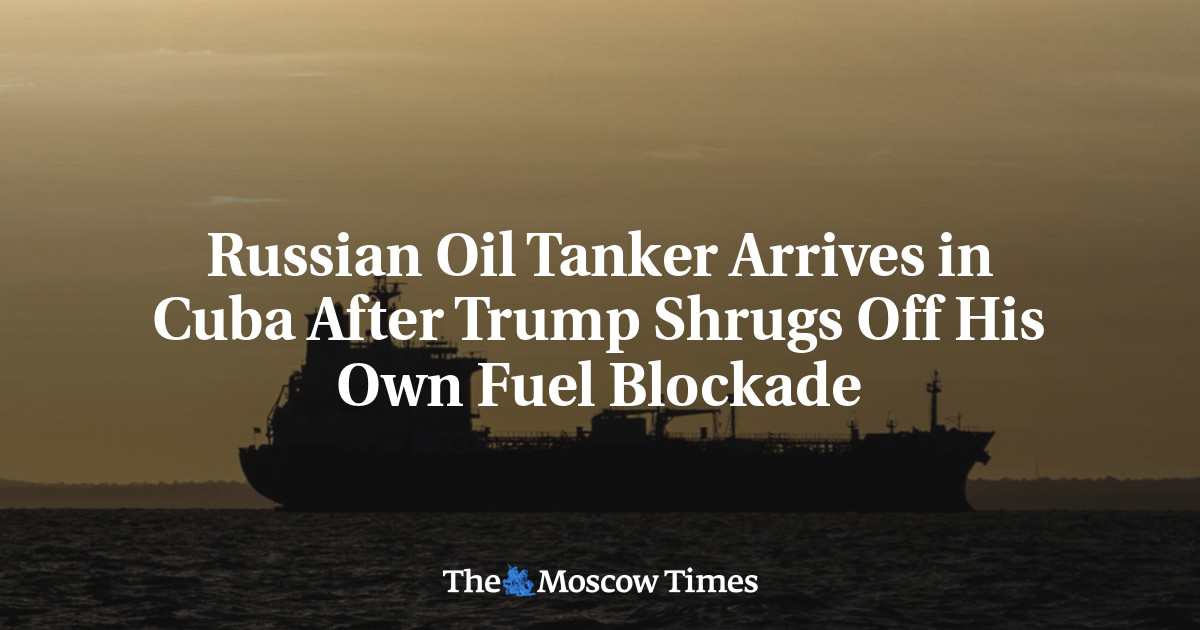
The embargo lift removes a secondary pressure point that Iran could exploit to divide U.S. attention and resources. With the Pentagon planning weeks of ground operations in Iran and 10,000+ additional troops under consideration for Middle East deployment, reducing the Cuba variable frees diplomatic and intelligence bandwidth.
However, if this signals resource constraints rather than strategic choice, it undercuts allied confidence in U.S. capacity to sustain both Iran operations AND the existing Taiwan/China deterrent — a calculation that South Korea is already acting on (wartime command transfer signal from March 27). Watch whether this precedes a broader reduction in commitments outside the Middle East.
This signals a deliberate strategic pivot away from Cuba containment at a moment when U.S. military resources are committed to Iran operations and ground invasion planning.
By removing the embargo threat, Trump reduces a secondary front and potential Iranian proxy leverage point — Cuba could have become a staging ground for Iranian arms transfers or cyber operations against U.S. infrastructure. The timing suggests Trump is consolidating rather than expanding commitments.
However, the decision also weakens leverage over a state that has historically aligned with U.S. adversaries, and removes a cost imposed on Russian operations in the Western Hemisphere. Defense planners must assess whether this reflects resource scarcity (U.S. cannot sustain two theaters) or deliberate de-escalation in one theater to enable escalation in another.
The article does not specify whether Trump's position applies only to Russian oil or extends to all sanctions relief, whether Cuba has committed to neutrality or non-alignment with Iran, or whether this decision was coordinated with allies (NATO, Gulf states) who are currently engaged against Iran.
Fault Lines
Strategic intelligence, synthesized daily — with a public track record. Every call graded against what actually happened.