Air Force Awards $29.7M to Beehive for Disposable Jet Engine Production Scaling
The PAC-3 production surge (600→2,000 units/year) addresses air defense capacity; the Beehive engine contract addresses offensive munition supply. Together they indicate the Pentagon's assessment that the Iran conflict will require sustained high consumption rates across both defensive and offensive air systems.
If Beehive's engine reaches production within 12 months, it becomes a constraint-relief valve for drone-centric operations; if development delays extend past Q1 2027, the Air Force reverts to existing engine suppliers and faces margin pressure on munition costs.
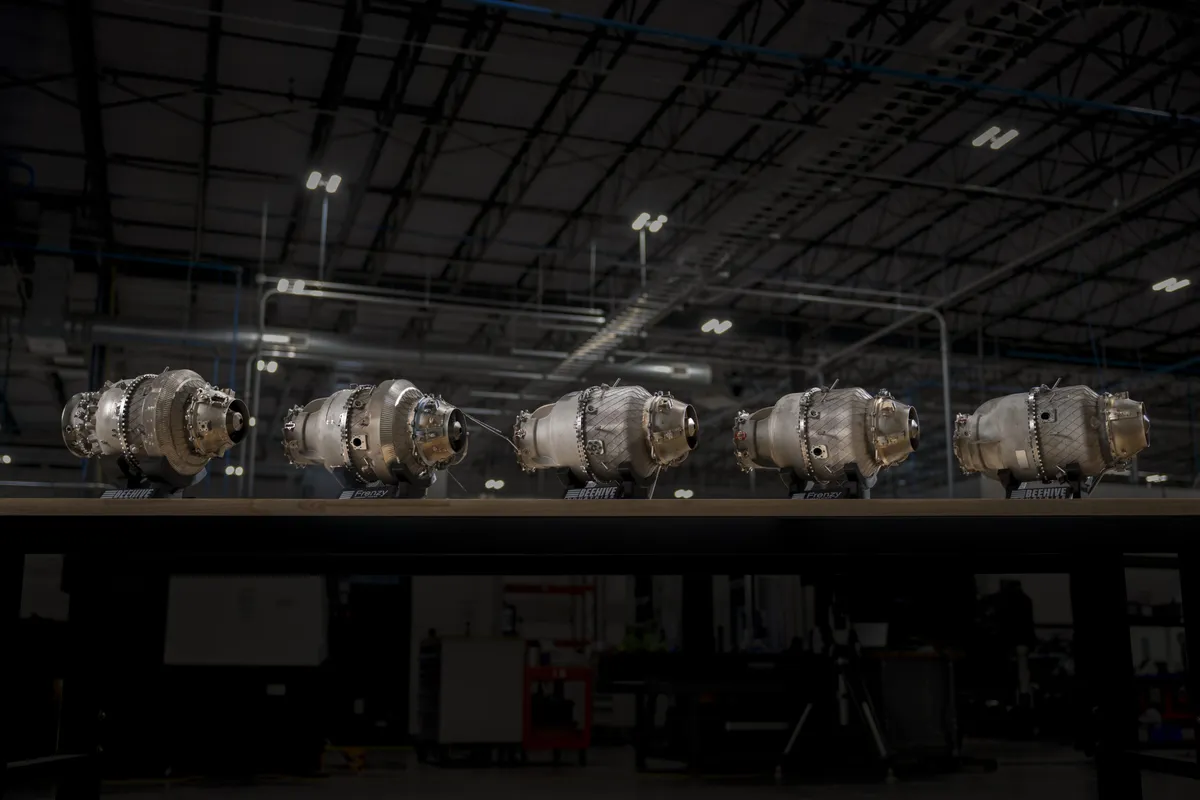
This contract targets a specific production bottleneck: disposable engines for attritable systems.
In the context of the active Iran conflict and the PAC-3 production tripling (announced same day), the Air Force is pursuing parallel strategies to increase consumable munition supply — one via traditional air defense (PAC-3), one via distributed, low-cost drone propulsion. Beehive's engine is relevant only if it reaches production volume; a $29.7M development contract does not guarantee operational impact.
The real signal is that the Air Force has identified engine availability as a constraint on drone/munition scaling, not platform design.
The article does not specify: (1) the current production rate or bottleneck that triggered this contract, (2) the timeline to production vs. the 2-week ceasefire expiration (April 22), (3) whether this engine is intended for existing platforms (Switchblade, Loitering Attack Munitions) or new designs...
Fault Lines
Strategic intelligence, synthesized daily — with a public track record. Every call graded against what actually happened.