Rubio Sets Two-Week Iran War Completion Target; Hormuz Escort Plan Signals Prolonged Logistics Exposure
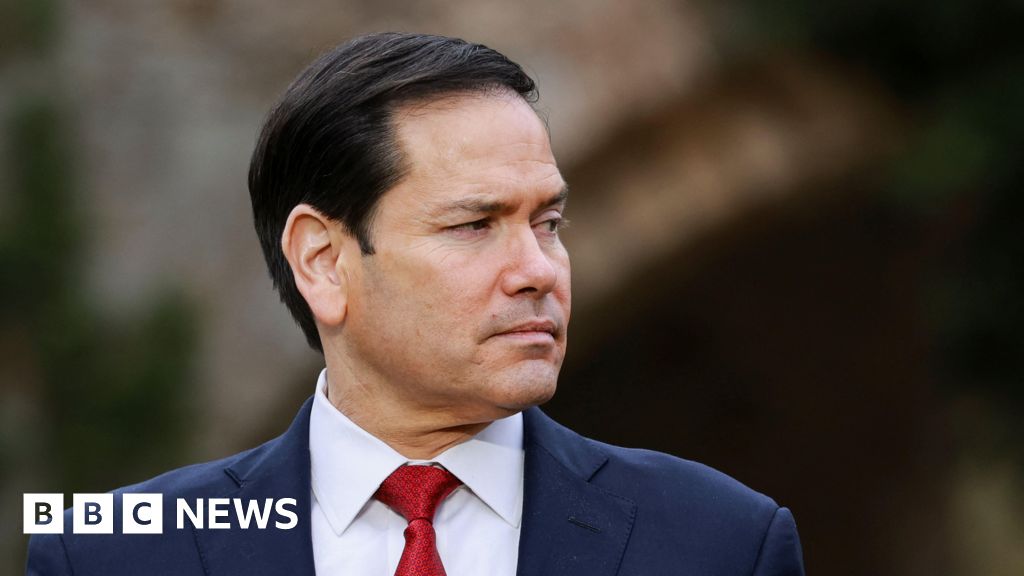
Rubio's public two-week completion claim, paired with Hormuz escort planning, commits the US to a hard deadline while simultaneously acknowledging the conflict may require sustained naval presence — this creates a procurement cliff.
If the April 6 Trump deadline passes without Iranian capitulation, the pause on power plant strikes expires and the conflict enters a new phase, forcing a choice between strikes that risk nuclear escalation (per hardliner nuclear pursuit signals from March 26) or acceptance of indefinite containment.
Rubio's two-week timeline is a public commitment that will be tested immediately — Iran's ongoing missile strikes (March 26-27), hardliner consolidation of nuclear policy, and stated Hormuz closure create conditions for either rapid escalation or face-saving stalemate, not swift resolution.
The Hormuz escort plan telegraphs expectation of extended chokepoint exposure even post-conflict, implying planners do not assume Iranian capitulation but rather managed access — this locks allied navies into sustained Indian Ocean operations and signals to energy markets that premium pricing for Gulf crude will persist beyond the April 6 deadline.
Watch whether Rubio's timeline holds through the next Iranian retaliation cycle (typically 3-5 days) or whether it collapses into a longer containment posture, which would extend PrSM production acceleration and 50,000+ troop deployments indefinitely.
The article does not specify which US allies have agreed to Hormuz escort operations, what rules of engagement govern those escorts, or whether 'finishing the war' means Iranian capitulation, ceasefire, or containment — a critical distinction for defense procurement and force posture planning.
Fault Lines
Strategic intelligence, synthesized daily — with a public track record. Every call graded against what actually happened.