Naval Group, MESKO, TELESYSTEM Agree to Sea Trials for Piorun Missile Integration
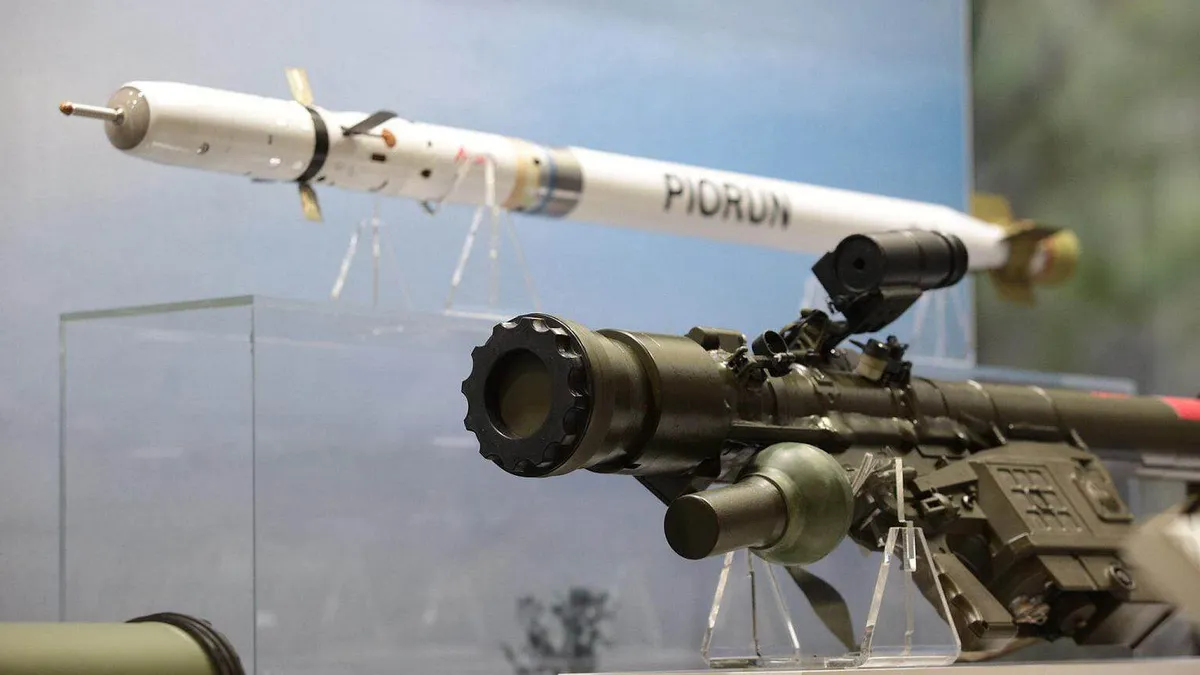
This trial sits at the intersection of two pressures: Trump administration burden-sharing demands (announced June 18) forcing allied defense spending inward, and Ukraine's proven need for non-US munitions (UK missile announcement June 21). If Poland succeeds in integrating Piorun onto Rampart, it validates a model where European navies source air defense from European suppliers rather than waiting for US production.
That shifts procurement leverage away from Raytheon's SeaRAM and toward MESKO — a small win for a Polish firm, but a structural signal that allies are building non-US supply chains for critical combat systems. The constraint is integration cost: each allied navy using different missiles requires different training, spare-parts logistics, and targeting doctrine.
Poland is testing integration of its indigenous air-defense missile onto a French naval platform, signaling European willingness to mix non-US munitions across allied systems — a direct echo of the UK's US-free cruise missile development for Ukraine announced three days prior.
This matters because it exposes a hard constraint: NATO's combat vessels still depend on American fire-control software and targeting architecture. If Piorun trials succeed, Polish Navy faces a choice between NATO interoperability standards (which lock it to US-compatible systems) and operational independence (which fragments the alliance's air-defense network).
Watch the trial results and whether NATO's STANAG committees issue guidance on non-US missile integration by Q4 2026.
Does the Rampart's fire-control system require NATO certification before accepting the Piorun, or can Poland conduct trials under national authority? The answer determines whether this is a one-off demonstration or a template for allied munitions independence.
Fault Lines
Strategic intelligence, synthesized daily — with a public track record. Every call graded against what actually happened.