Planet Labs Restricts Iran Imagery Under US Pressure; Signals Intelligence Weaponization
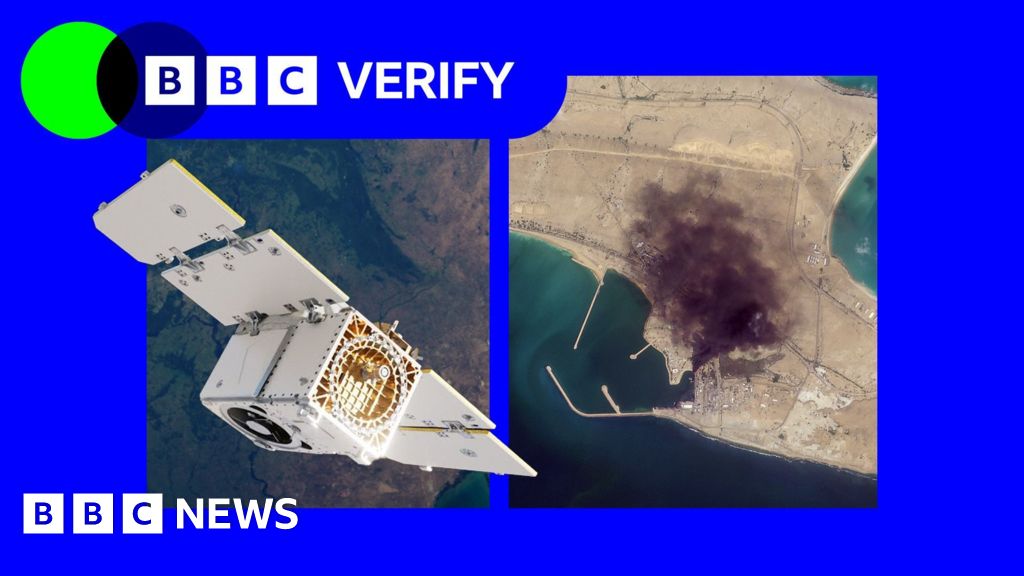
Restricting commercial satellite access removes a real-time targeting and damage-assessment tool available to Iran and its proxies during active ceasefire negotiations, raising the cost of treaty violations (neither side can quickly confirm compliance).
This precedent converts commercial space imagery from a market commodity into a foreign policy instrument, forcing defense primes and intelligence agencies to rely more heavily on classified systems — which accelerates demand for NRO/NGA contracts and creates a moat for contractors with secure ground stations (Maxar's ITAR-compliant operations, Palantir's integration with classified networks).
Commercial satellite imagery has become a critical asymmetric advantage for smaller states and non-state actors — Iran uses it for targeting, Israel for strike planning, and the US for damage assessment.
By restricting Planet Labs' coverage, the US removes a data source available to adversaries while maintaining access through classified NRO/NGA systems. This creates an intelligence gap for third parties (Saudi Arabia, UAE, Israel) who rely on commercial imagery for real-time ISR.
The restriction is temporary leverage during ceasefire talks — if negotiations collapse, the US can restore access or escalate to other providers (Maxar, Capella). For defense contractors, this demonstrates that commercial space assets are now treated as strategic infrastructure subject to state control, not purely commercial services.
The article does not identify whether this restriction applies to all Planet Labs customers globally or only to specified buyers; whether other commercial satellite providers (Maxar Technologies, Capella Space) have received similar restrictions; or whether the restriction covers only optical imager...
Fault Lines
Strategic intelligence, synthesized daily — with a public track record. Every call graded against what actually happened.