Planet Labs Halts Iran Imagery to Block Battle Damage Assessment by Adversaries
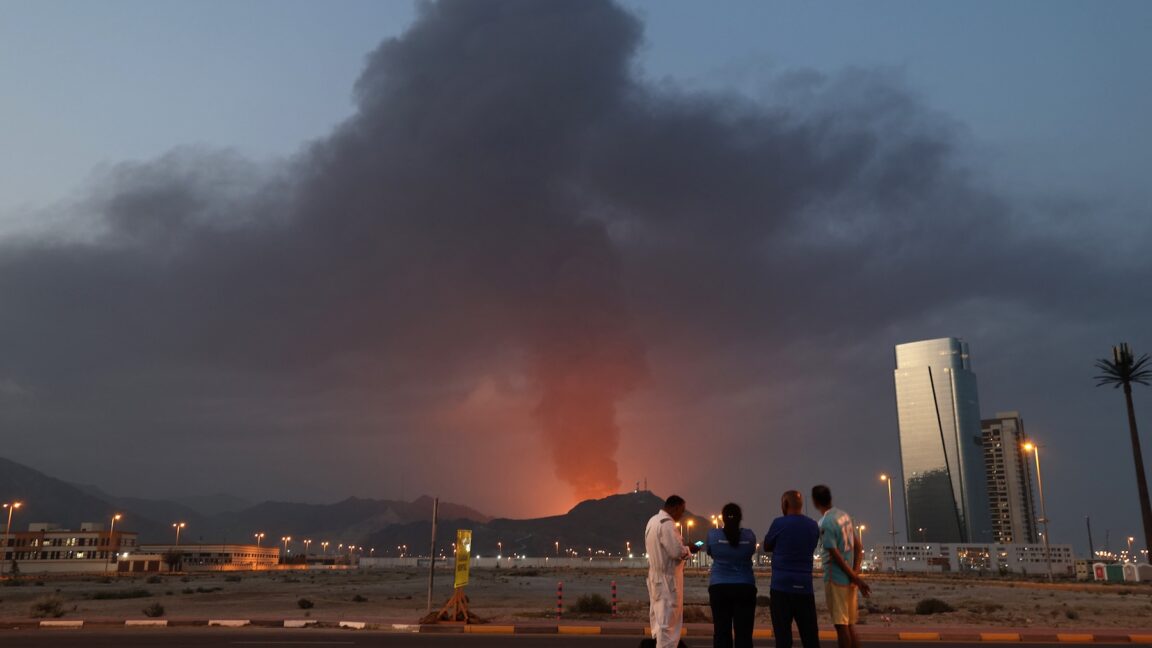
Planet's imagery pause removes a low-cost intelligence source that Iran could use to inform retaliatory targeting decisions or damage assessment — a capability Iran has relied on during this six-day escalation. If the pause holds and other providers follow, Iran loses real-time BDA capability and must rely on HUMINT or degraded SIGINT, narrowing its ability to calibrate future strikes.
This asymmetry could compress Iran's decision cycle and increase the likelihood of indiscriminate follow-on strikes, or conversely, reduce Iran's confidence in its targeting and lower escalation tempo.
This signals a fracture in the commercial satellite imagery ecosystem that has underpinned real-time conflict transparency during the current US-Iran escalation.
Planet's pause creates an asymmetry: US/Israeli strike planners retain access to classified NRO/NSA imagery for BDA, while Iran loses commercial-source visibility into its own damage. If other commercial providers (Maxar, Capella, BlackSky) follow suit, the intelligence advantage shifts decisively to state actors with classified systems.
Conversely, if Planet's pause is unilateral, it reduces Planet's competitive value to defense customers who expect uninterrupted coverage. The decision also exposes a gap in US export control policy: commercial imagery has been treated as unrestricted, but during active conflict, that assumption breaks down.
Expect pressure on Planet and peers to adopt conflict-zone imagery licensing restrictions, which could reshape the commercial space intelligence market.
The article does not specify which regions or time windows Planet paused, the duration of the pause, or whether Planet consulted with US government agencies (State, Commerce, NSC) before making the decision.
Fault Lines
Strategic intelligence, synthesized daily — with a public track record. Every call graded against what actually happened.