Belgium Seizes Russian Tanker in Coordinated G7 Shadow Fleet Operation
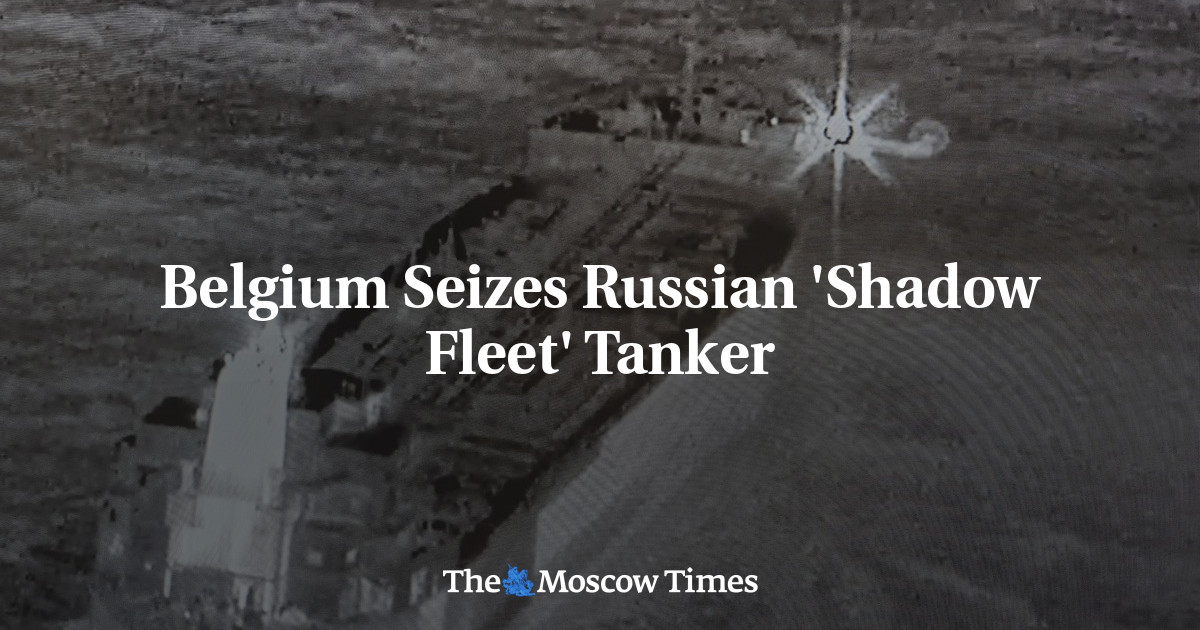
Coordinated port seizures reduce the pool of available shadow fleet tonnage, which forces Russian crude exporters to accept longer voyage times and higher insurance costs — directly eroding the margin between the $60 cap price and Russia's willingness to sell.
If enforcement becomes systematic across European ports (as the G7 coordination suggests), Russian oil revenues face structural pressure independent of global price movements, creating a secondary sanctions mechanism that bypasses OPEC+ production decisions.
This signals sustained enforcement of Russian oil sanctions across European ports, but the signal is weakened by missing operational details.
The coordination across G7 and Nordic states suggests a tightening enforcement posture on shadow fleet vessels — which are the primary mechanism Russia uses to circumvent the $60/barrel price cap on crude exports. If Belgium is conducting seizures in concert with France and G7 partners rather than in isolation, this indicates either a new enforcement protocol or response to a specific intelligence finding.
The impact depends on whether this is part of a broader sweep (indicating escalating pressure on Russian energy revenues) or a one-off incident.
The article does not name the vessel, its flag state, cargo volume, estimated value, or the specific sanctions violation cited.
Fault Lines
Strategic intelligence, synthesized daily — with a public track record. Every call graded against what actually happened.